
10-Day Switzerland Train Itinerary: Zurich, Lucerne, Interlaken & Montreux
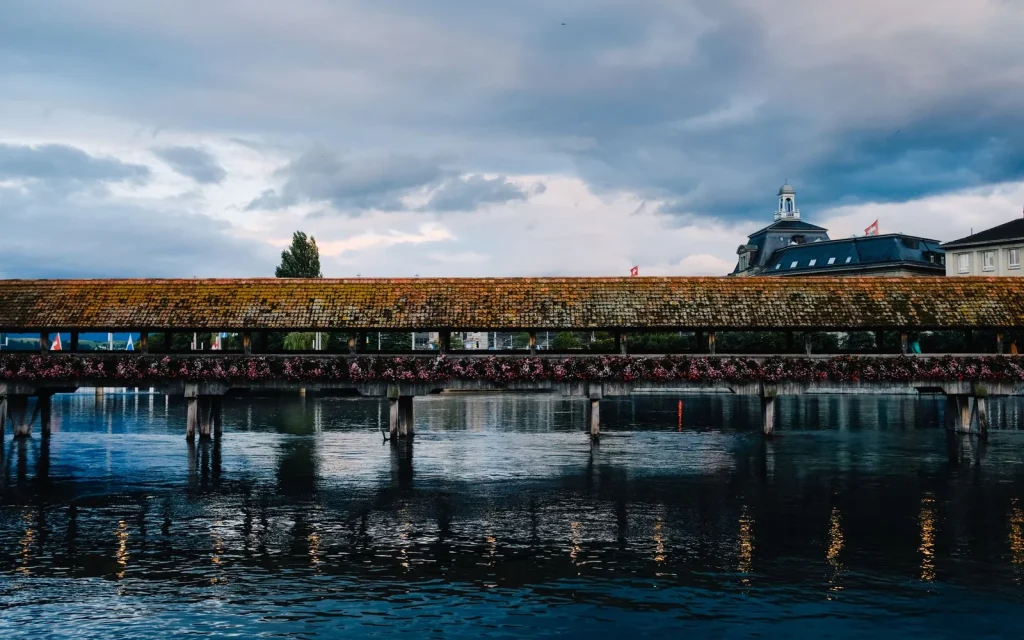
For a 10-day Switzerland train itinerary, travel Zurich → Lucerne → Interlaken → Montreux. Spend two nights in Zurich, two in Lucerne, three in Interlaken and two in Montreux. The route combines city time, lakes and two scenic railway journeys without moving accommodation every night.
The ten days run from arrival in Zurich to departure from Montreux. Travel from home and the final onward journey are additional. Days 3, 5 and 8 involve changing base: they are not full sightseeing days. This is a route you can adapt, not a package with transport, hotels or mountain excursions included.
In this guide: Route and nights · The three transfers · Zurich · Lucerne · Interlaken · Montreux · Pass or tickets? · Included or extra? · Budget · When to go · Booking order
Four bases, nine nights and time to enjoy the journey
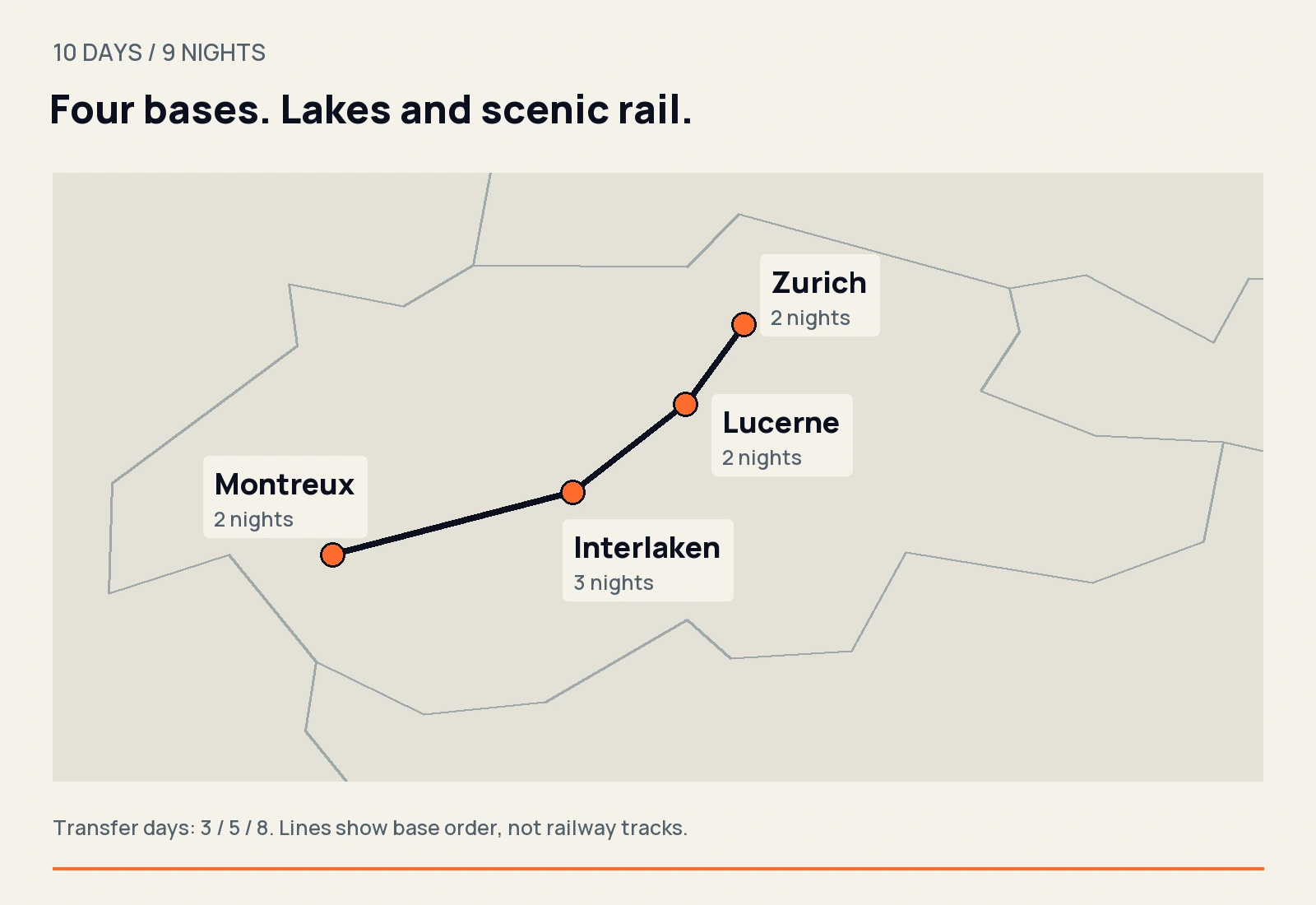
| Base | Days | Nights | Time available |
|---|---|---|---|
| Zurich | 1–2; leave day 3 | 2 | Arrival and one full day |
| Lucerne | 3–4; leave day 5 | 2 | Transfer and one full day |
| Interlaken | 5–7; leave day 8 | 3 | Transfer and two full days |
| Montreux | 8–10 | 2 | Transfer, one full day and departure |
This suits a first Swiss rail trip if you want a mix of urban exploring and outdoor time. Interlaken gets the longest stay so you can choose an outing around the conditions, rather than committing to several expensive mountain trips. The compromise is that Zurich and Lucerne each have only one complete day.
If you prefer fewer hotel changes, skip Zurich as an overnight base and start in Lucerne, redistributing its two nights. If Zurich is your main arrival point, allow for that extra first-day journey. Do not simply add another destination to the same ten days.
The three train journeys to plan first
Search Zürich HB, Luzern, Interlaken Ost and Montreux in the SBB timetable. These are station names, not four interchangeable city-centre stops. Add the journey to your accommodation and check works or replacement transport for your actual date. The times below are planning guides, not departures reserved for you.
| Day / journey | Plan around | What to check |
|---|---|---|
| 3 · Zurich → Lucerne | A short intercity move; keep roughly an hour for the rail leg, then station and accommodation time. | Zürich HB → Luzern. Compare the direct departures on your date. |
| 5 · Lucerne → Interlaken | The Luzern–Interlaken Express takes about 1 hour 50 minutes. | Choose the service via Brünig and Meiringen if this scenic route is the point of your journey. |
| 8 · Interlaken → Montreux | The direct GoldenPass Express takes about 3 hours 15 minutes. | Interlaken Ost → Montreux via Zweisimmen. Confirm the exact train and any reservation. |
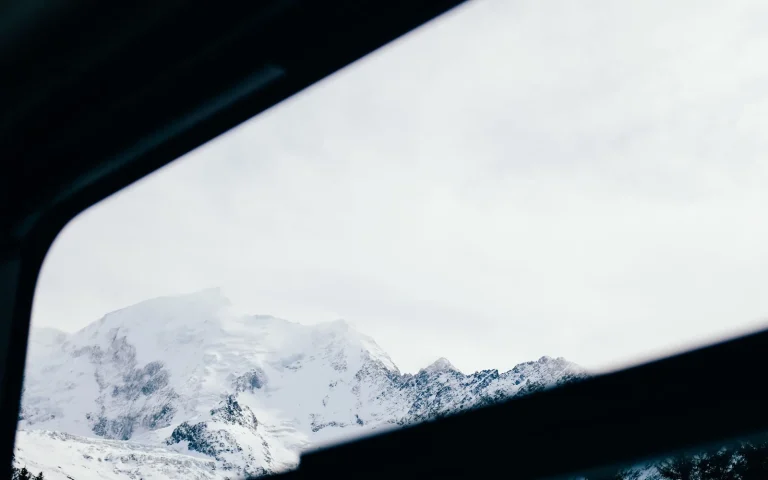
The Luzern–Interlaken Express and GoldenPass Express are two different services. The latter runs between Interlaken and Montreux; it is not the train you board in Lucerne. Choose daylight travel for the views, without assuming good visibility.
For a different journey on day 8, compare connections through Spiez, Visp and Lausanne. They take a different corridor and do not reproduce the GoldenPass scenery. A connection via Zweisimmen with changes can also be an option: search the full itinerary, not just one section. Keep day 8 free of timed visits at the destination.
Days 1–2: Zurich, the old town and the lake
Day 1: arrive and settle in
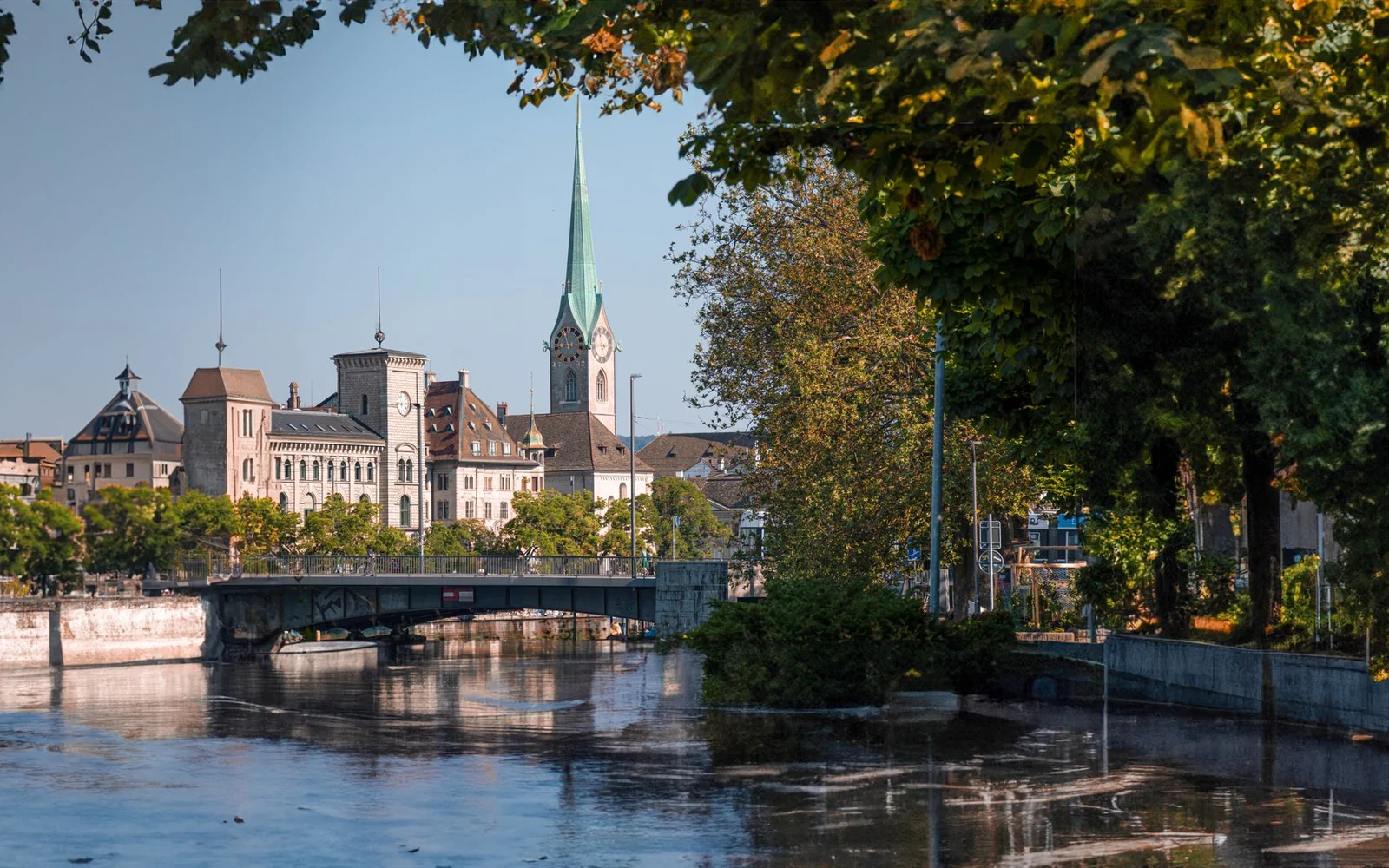
Check in or arrange luggage storage first. If arrival time allows, take a short walk along the Limmat and through Niederdorf. Leave museums, boat bookings and a long evening plan until you know how much of the day you actually have.
Day 2: one walk from the old town to the waterfront
Start with the old-town lanes and Lindenhof, a viewpoint over the historic centre. Continue towards the river and the streets around Grossmünster, then make your way to the lake around Bürkliplatz. You can use the afternoon for the waterfront or choose one indoor visit if the weather turns.
A lake cruise is optional, with its own timetable and fare conditions. A walk beside the water already gives this day a lakeside focus; you do not need to buy an excursion just to make the itinerary work.
Where to stay: compare accommodation within walking distance of Zürich HB or on a simple public-transport connection. The old town is convenient for exploring, but compare noise, room type and luggage access in the actual listing. An outlying room is only a saving if its transport cost and travel time still work for you.
Days 3–4: Lucerne without rushing straight up a mountain
Day 3: transfer, Chapel Bridge and the old town
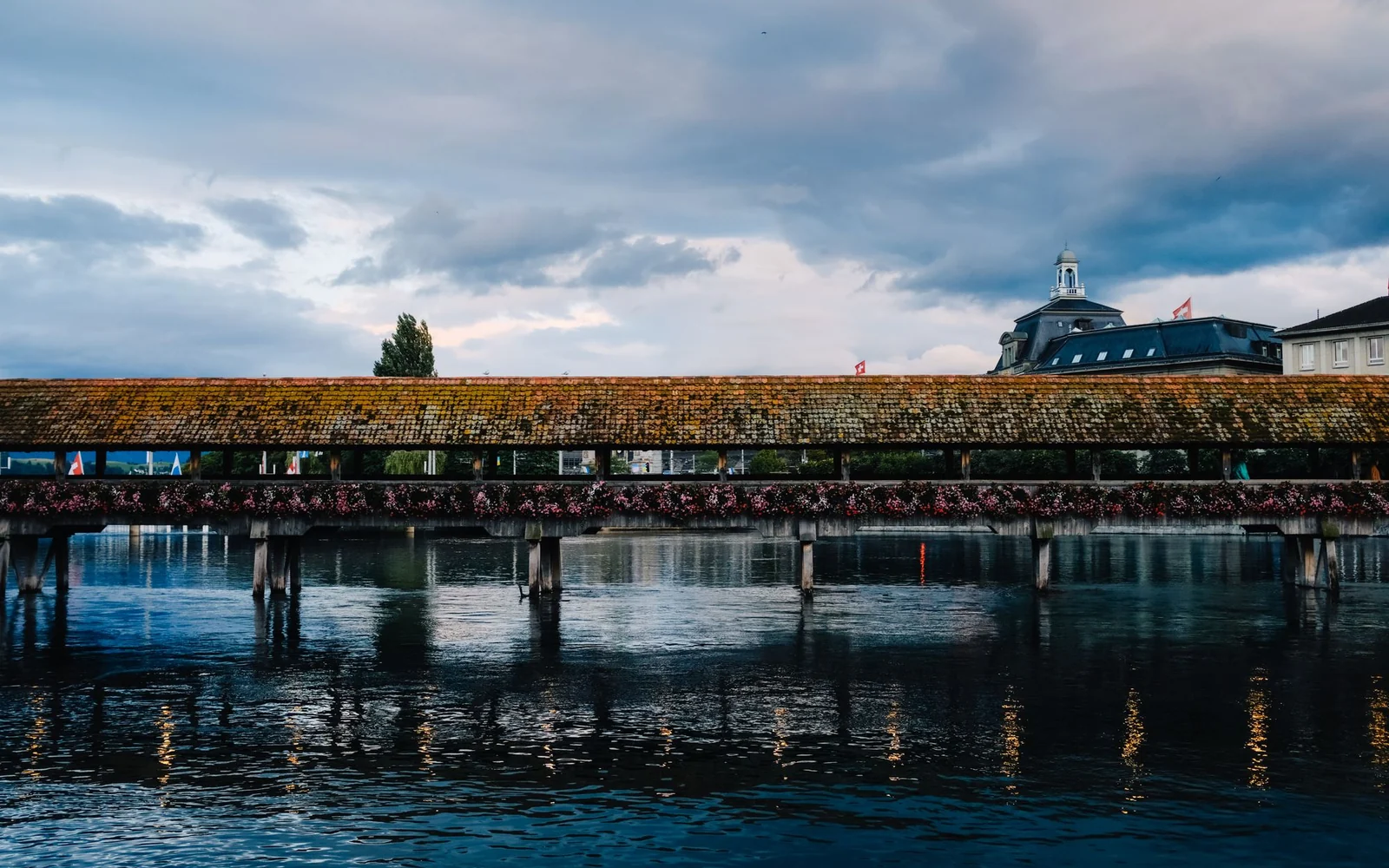
Travel to Luzern, leave your bags and group the afternoon around Chapel Bridge, the Reuss and the old-town streets. This is a useful day to take slowly: the next morning is not another hotel change.
Day 4: choose a lake day or one larger excursion
The simple version is time along the lake, a return through the old town and an unhurried lunch. If a boat trip interests you, choose a sailing you can comfortably return from and check the fare for your pass. Shorter daylight hours can change what fits.
You can replace this with a Rigi or Pilatus outing, but check every rail, boat and mountain section before paying. These are optional alternatives to the day, not extra stops to squeeze in after a cruise. Compare opening dates, total cost and the forecast; neither summit is necessary to enjoy Lucerne.
Where to stay: the station/lakefront area makes arrival and the next train straightforward. The old town is a practical alternative if you check the walking route with bags. Do not assume a property with “Lucerne” in its description is beside the main station.
Days 5–7: a scenic arrival and two flexible days
Day 5: let the Luzern–Interlaken journey be part of the day
Take the scenic rail journey, then settle into Interlaken. Keep the afternoon for a walk around the Aare and time to decide your next two days. There is no need to book a mountain ascent immediately after arrival.
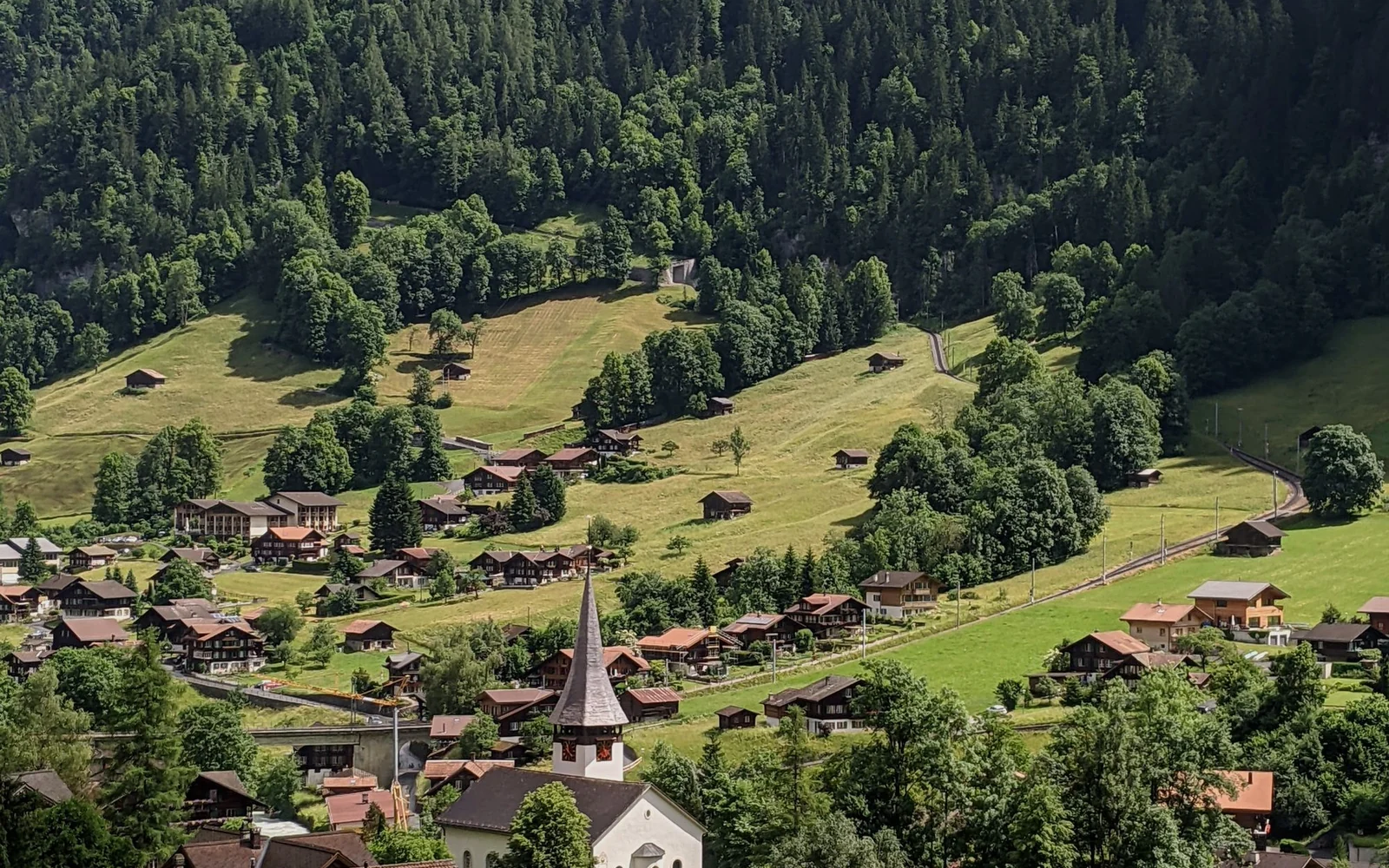
Day 6: Lauterbrunnen valley, with a clear stopping point
Use Interlaken Ost for the train to Lauterbrunnen. Make the village and a valley walk the core of the outing, selecting an open, suitable route for the conditions. Return to the same accommodation. A valley visit does not require continuing to Jungfraujoch.
If you do want a higher excursion, choose one, price the complete return trip and keep enough time for the descent. Do not treat Grindelwald, a cable-car ride and Jungfraujoch as minor additions to the same relaxed valley day.
Day 7: a lake day, or a weather swap
Choose Lake Thun and Spiez for a different pace, or plan a Lake Brienz outing instead. Compare the rail and boat options before committing; boat frequencies and operating seasons vary. One lake is enough for the day. Keep an indoor alternative or a shorter local walk if conditions are poor.
Days 6 and 7 can swap. This is the reason for three nights in Interlaken: two usable days give you a better choice than a one-night stop, although they cannot guarantee a clear mountain view.
Where to stay: Interlaken Ost is useful for the Lucerne arrival and the Lauterbrunnen departure. Interlaken West and Unterseen may suit other properties and evening plans. Check which station your specific train serves and the actual walk or local connection; “Interlaken” alone is not enough.
Days 8–10: GoldenPass, Lake Geneva and departure
Day 8: the journey to Montreux
Travel towards Montreux on the GoldenPass corridor, with no castle entry booked close to arrival. After check-in, use whatever time remains for the lakeside promenade. Montreux is built on a slope: check the route between the station and your accommodation, especially with luggage.
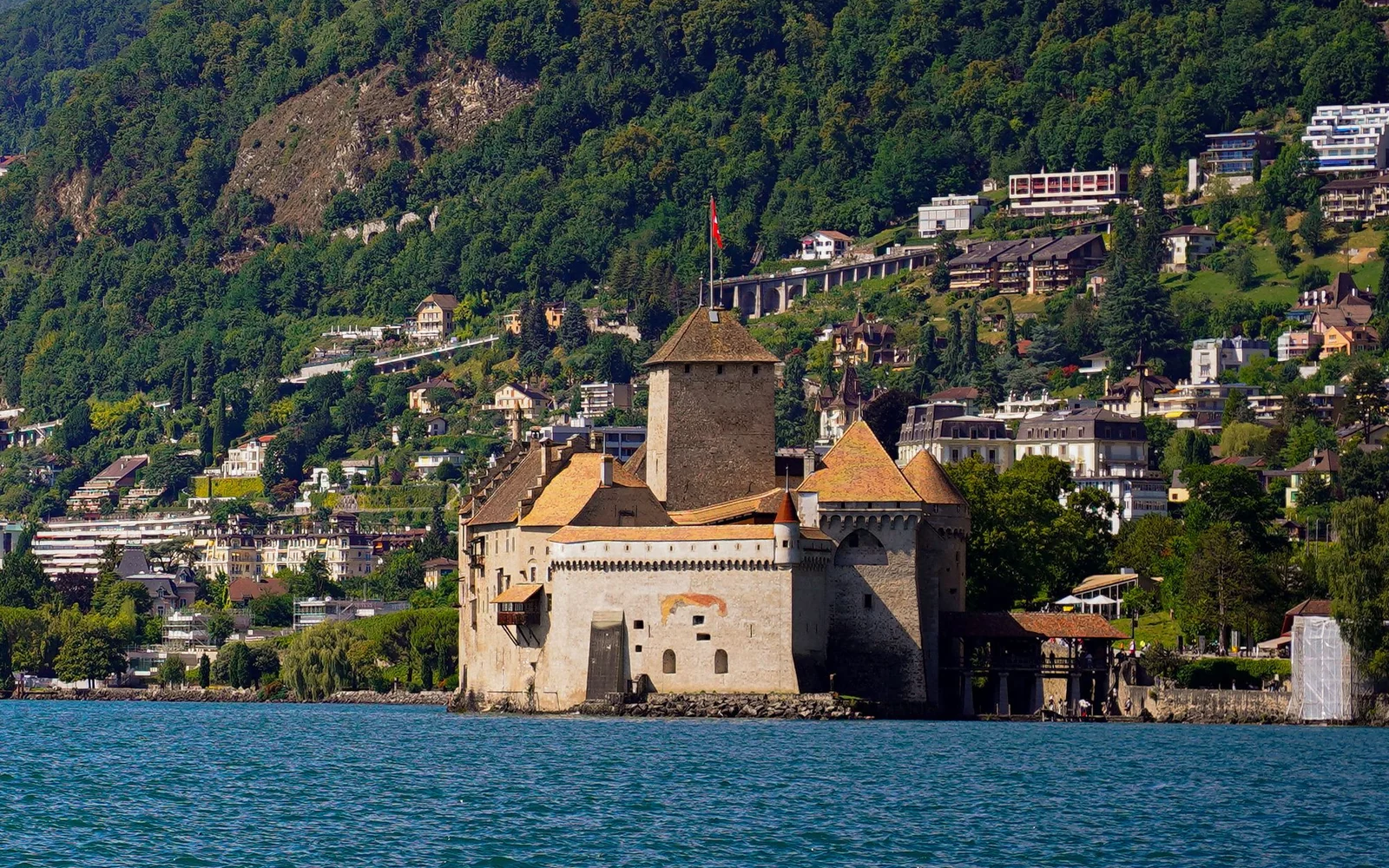
Day 9: the lakefront and optional Chillon Castle
Combine the promenade with Chillon Castle if you want an interior visit. You can reach the area on foot or compare the train to Veytaux-Chillon and bus 201. Check the return journey as well as the outward trip. A boat is another option when its timetable suits.
Castle entry is separate from an Interrail rail journey. Swiss Travel Pass holders should check the museum benefit for their valid day rather than buying twice. Opening hours vary by season, and the castle lists closures on 25 December and 1 January. If you prefer fewer paid visits, keep the day focused on the lake and the exterior.
Day 10: leave space for the onward journey
Travel home or continue your wider route. If you leave through Geneva or Zurich airport, calculate that entire connection before choosing a flight: Montreux is not the airport. For an early departure, an extra night near the exit point may be more sensible than forcing it into this ten-day plan.
Interrail, Swiss Travel Pass or individual tickets?
Choose the route first, then compare transport. There are only three main base changes here. Whether a pass makes sense depends on your excursions, arrival/departure journeys, age, residence, advance fares and how much flexibility you want.
- Already using a Global Pass: check the covered Swiss journeys and allocate travel days to them. City stays are not automatically rail travel days.
- Travelling only within Switzerland: compare the Interrail Switzerland Pass with separate tickets. A One Country Pass does not cover getting there through other countries and cannot be used in your country of residence.
- Using trains, local transport, boats and museums often: compare the Swiss Travel Pass / Flex. Its coverage differs from Interrail. It is for permanent residents outside Switzerland and Liechtenstein; check the exact validity and excursions.
- Buying individual tickets: compare the full-price and advance options for your dates. A Saver Day Pass may fit a busy transport day, but its quota, advance-purchase rules and coverage matter. Do not use a “with Half Fare” price unless you hold the required discount.
Price the same journeys in the same class. Add seat reservations, uncovered activities and any extra cost of keeping plans flexible. Our pass-versus-tickets guide explains that comparison. No single pass is automatically cheapest for everybody following this route.
What is covered, and what costs extra?
The distinction is between a valid transport ticket, a seat reservation and an activity. This table is for the specific routes described, not every service sold under a similar name. Recheck current conditions before purchase.
| Journey / activity | With Interrail | Reservation or extra |
|---|---|---|
| Zurich → Lucerne | Covered SBB rail journey on a valid travel day. | Ordinary domestic trains generally do not require a seat reservation. |
| Luzern–Interlaken Express | The Zentralbahn route is listed in the pass network. | Seat reservation optional for individual travellers; the operator currently lists CHF 12 or CHF 16 by season. |
| GoldenPass Express | Interrail is accepted with the appropriate class entitlement. | Reservation recommended in 1st/2nd class; currently CHF 20 per person per journey. Prestige has separate compulsory conditions. |
| Interlaken Ost → Lauterbrunnen | BOB is included in the published Interrail network map. | Use a travel day for a covered ride; do not extend that inclusion to every onward mountain line. |
| Boat trip | Not one blanket rule: BLS Lake Thun/Brienz services are listed as included; other lake operators may offer discounts. | Check operator, service, season and whether a travel day is required. |
| Jungfraujoch / mountain lifts | Not automatically included because you reached Interlaken by train. | Price the selected ascent separately, including any pass benefit and reservation requirement. |
| Chillon interior / city transport | Do not assume Interrail covers admission, trams or city buses. | Check entry and local fares, or the benefits of a different valid product. |
Coverage references: the published Interrail Swiss network map, labelled 2025, MOB fares, MOB reservations and BLS GoldenPass guidance. The map is the published reference found at this check, not a guarantee for a future travel date.
Build a Swiss budget around the choices that change it
Start with nine accommodation nights and ten days of food and daily spending. Get quotes for your dates in each base. If sharing a private room, divide its total by the actual number sharing; a dorm bed is already a per-person price. Add breakfast charges and local taxes where excluded.
- Transport: three base changes, arrival/exit travel, selected day trips and local transport. Add reservation fees only where you choose or need them.
- Activities: decide on a mountain trip or cruise before comparing pass totals. Keep a separate line for castle or museum admission.
- Food: check whether your accommodation has a usable kitchen, then plan a realistic mix of groceries and meals out.
- Buffer: keep room for a changed outing, luggage storage or a journey you choose to buy separately.
A route based on city walks, the rail journeys, a valley visit and one lake day is a different budget from the same route with several mountain ascents. Removing an optional ascent can make a bigger difference than chasing a small saving on the short Zurich–Lucerne leg. There is no live trip total here: without dates and room choices, a single headline price would hide too much.
When to go, and what to change in winter
The core city-to-city route can work in different seasons; the outings need more care. Longer summer days give more daylight for scenic trains and lake time. Spring and autumn can suit the towns, but boat timetables, mountain maintenance and trail conditions do not all follow the same calendar.
In winter, keep the bases and simplify the outdoor programme. Do not carry a summer valley walk onto an icy path or assume seasonal lifts and boats are running. Check conditions, return transport and daylight; our winter packing guide helps with the clothing side. In rain or low cloud, choose a shorter town/lakefront day or one indoor visit instead of paying for a view you may not see.
A sensible booking order
- Choose arrival and exit points, then confirm the ten-day/nine-night structure.
- Check the three rail legs on your actual dates, selecting the scenic corridors deliberately.
- Compare accommodation near useful stations, then compare complete ticket/pass costs.
- If travelling on a specific GoldenPass departure matters, check its reservation availability before making that day’s plans inflexible.
- Keep weather-sensitive excursions flexible where the ticket conditions allow, and check the final timetable before departure.
Questions about this ten-day Swiss train route
Do I need a car?
No car is needed for the four bases and the rail outings described. Check the last section to each accommodation or activity, especially if mobility or luggage makes a longer walk impractical.
Can I do the route in reverse?
Yes: Montreux → Interlaken → Lucerne → Zurich is the same base structure in reverse. Recheck daylight, departures, reservations and your arrival/exit connections for that direction.
Does a pass include every scenic train and mountain excursion?
No. Covered rail travel, reserved seats and paid ascents are different things. Match your exact product to each section, rather than assuming “Swiss train” means included.
Want this route adapted to your trip?
Rail Trip Planner can build a personalised PDF itinerary and matching trip map around your dates, budget and pace. Explore the example itinerary or request your own plan. You book trains, accommodation and activities directly with their providers.
Sources checked 20 October 2026: operators linked above; Jungfrau tickets, Chillon visits and SBB tourist products. Prices and operations can change. Photos: Bryan Dijkhuizen, Adrien Olichon, Ingo Joseph, Nathan Quaranta / Pexels. Map: Rail Trip Planner, with public-domain Natural Earth country boundaries.
 Munich to Venice via Salzburg and Ljubljana
 Seat reservations: the practical checks
 Keep the scenic stretch in daylight