
Interrail Germany: Passes, Reservations & a 2-Week Route
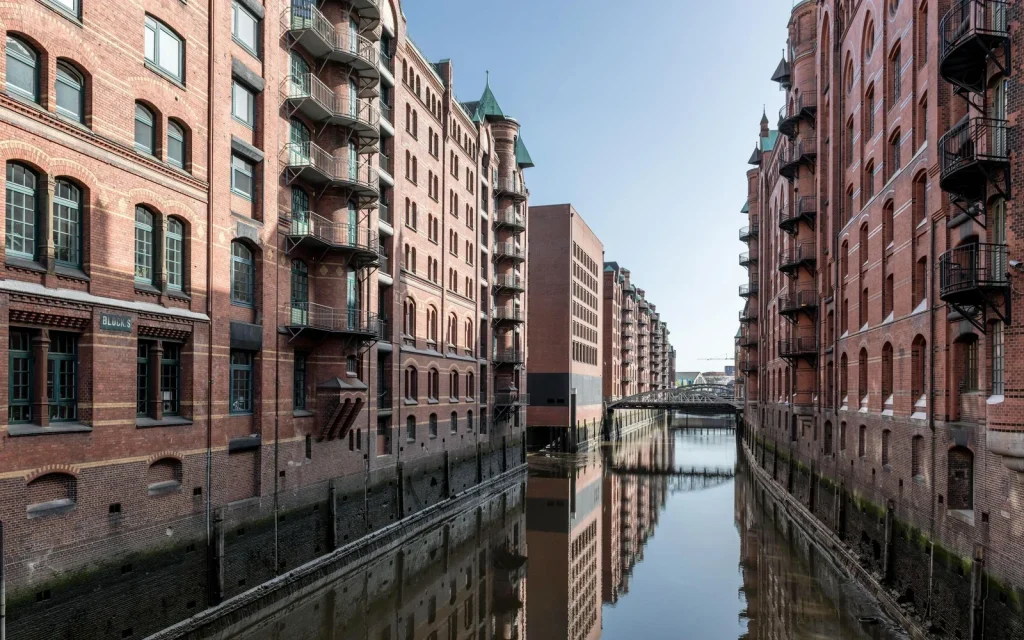
Thinking about Interrail in Germany? Start with a route you actually want to travel, then choose the ticket. Germany has a dedicated German Rail Pass, and a Global Pass can also cover participating trains here. For a first trip, our suggested two-week route links Cologne, Hamburg, Berlin and Dresden: four bases, three changes of accommodation and time for neighbourhoods as well as landmarks.
The appeal is the mix: evenings beside the Rhine, Hamburg’s warehouse canals, several days in Berlin and an Elbe riverside finish in Dresden. Most domestic ICE journeys have optional seat reservations. That can make the rail part more flexible, but it does not make every train, local ride or excursion free.
In this guide: Which pass? · What is included · Route and nights · Trains and reservations · Cologne · Hamburg · Berlin · Dresden · Budget and tickets · Planning checklist · Questions
Is there an Interrail pass just for Germany?
Yes. Interrail sells a German Rail Pass for journeys in Germany. It covers Deutsche Bahn trains and participating operators, subject to the pass conditions. Select your actual country of residence when checking availability and prices: you cannot buy this pass if you live in Germany.
Choose between three different approaches:
- German Rail Pass: worth comparing when Germany is the main trip and you value flexibility on covered trains. Check the travel-day options, class, validity and any additional reservations before buying.
- Interrail Global Pass: compare it if Germany is one part of a longer journey through several countries. Its travel-day allowance and country-of-residence rules still apply.
- Individual tickets: a serious option for this itinerary because it has only three main intercity travel days. A pass is not automatically the cheapest choice.
Do not assume the German pass covers your complete journey from home. It has some specifically listed cross-border extensions, but these are not general coverage throughout neighbouring countries. Check the exact route and train against the pass conditions. If you live in Germany, read the Global Pass residence rules before treating it as a domestic holiday ticket.
And what about the Deutschland-Ticket?
The Deutschland-Ticket is a different product: a subscription for local and regional public transport, normally excluding ICE, IC and EC services. It is not a like-for-like replacement for the fast trains in this route. Check current validity, the subscription period and cancellation deadline before purchasing, especially if a short trip crosses a calendar month.
What does Interrail cover in Germany?
Use the official Germany train guide and participating-operator list to check your actual services. Deutsche Bahn’s ICE, IC and regional trains are central to this itinerary. Many S-Bahn services are covered too; do not extend that assumption to every metro, tram, bus, ferry or private rail operator.
For a flexible mobile pass, even a short covered journey on a new date can use a travel day. A local ticket may make more sense than activating one just for a small city ride. Check local transport separately and follow the mobile-pass instructions: save the journey, add it to your pass and have the correct ticket ready before boarding. Saving a search alone does not give you a valid ticket.
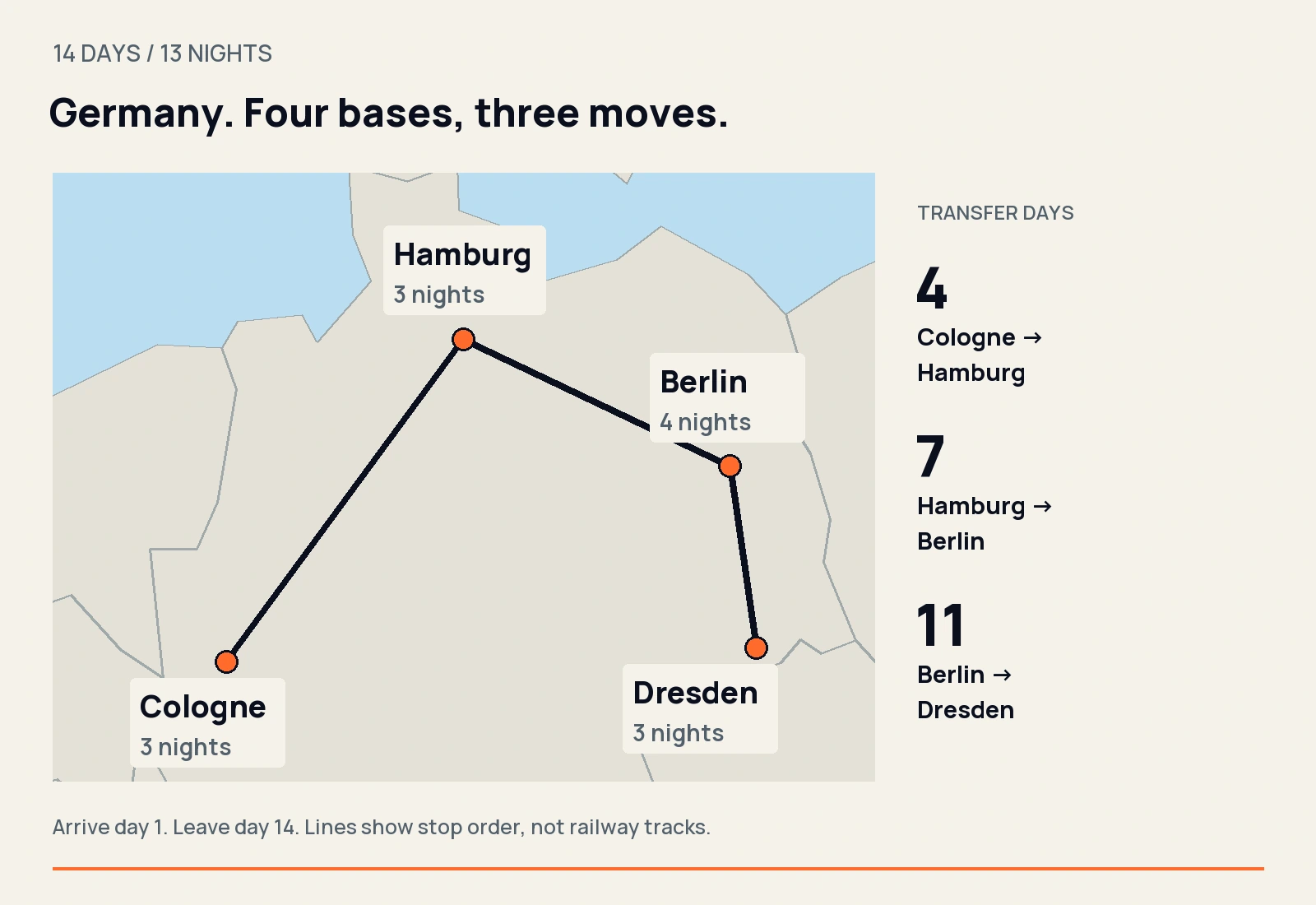
A two-week Germany Interrail route: four bases, thirteen nights
| Base | Days / nights | Time on the ground | Next move |
|---|---|---|---|
| Cologne | Days 1–3 · 3 nights | Arrival and two full days | Day 4 → Hamburg |
| Hamburg | Days 4–6 · 3 nights | Transfer and two full days | Day 7 → Berlin |
| Berlin | Days 7–10 · 4 nights | Transfer and three full days | Day 11 → Dresden |
| Dresden | Days 11–14 · 3 nights | Transfer, two full days and departure | Leave on day 14 |
This is a north-and-east-focused introduction, not an attempt to see all of Germany. Munich, the Black Forest and the Romantic Road belong in a different trip unless you have more time. If Bavaria is your priority, see our Munich–Salzburg–Ljubljana–Venice route instead of adding Munich as a rushed fifth base here.
The route is open-ended. Compare the cost and practicality of arriving in Cologne and leaving from Dresden before fixing accommodation. It can also work in reverse after checking connections. If your return requires travelling back to Cologne, allow for that extra journey rather than hiding it inside the final sightseeing day.
Trains, stations and seat reservations
Search Köln Hbf → Hamburg Hbf → Berlin Hbf → Dresden Hbf in DB’s journey planner. Hbf means Hauptbahnhof, or main station. Some useful trains call at other stations, so check the arrival on the actual service before choosing your accommodation.
| Transfer | Rail orientation | What to allow for |
|---|---|---|
| Day 4 · Cologne → Hamburg | Long-distance train; roughly 4 hours as an initial planning allowance. | A substantial transfer day once you add checkout and local travel. |
| Day 7 · Hamburg → Berlin | Fast services can take around 2 hours. | Check works and the exact Berlin arrival station. |
| Day 11 · Berlin → Dresden | Fast services can take around 1¾–2 hours. | Keep an easy afternoon plan after checking in. |
These are approximate station-to-station planning figures, not guaranteed journey times. DB’s route pages currently advertise fastest journeys of 3h42 for Cologne–Hamburg, 1h48 for Hamburg–Berlin and 1h39 for Berlin–Dresden. Your date, train and engineering works may give a different result. Check the DB works information and recheck the journey before departure.
Optional reservation does not mean a guaranteed seat
On most domestic ICE services, reserving a seat is optional. For a group, a busy departure or a longer ride, paying for a seat can be worthwhile. A pass gives you the right to travel on a covered service; it does not reserve a particular seat. Use DB’s seat-only booking option where available.
Do not apply the domestic rule to every international or overnight train. DB lists additional reservation and supplement requirements for certain cross-border services. If you extend the route abroad, check that train separately. Our seat-reservations guide explains the distinction.
Days 1–3: Cologne, the Rhine and neighbourhood time
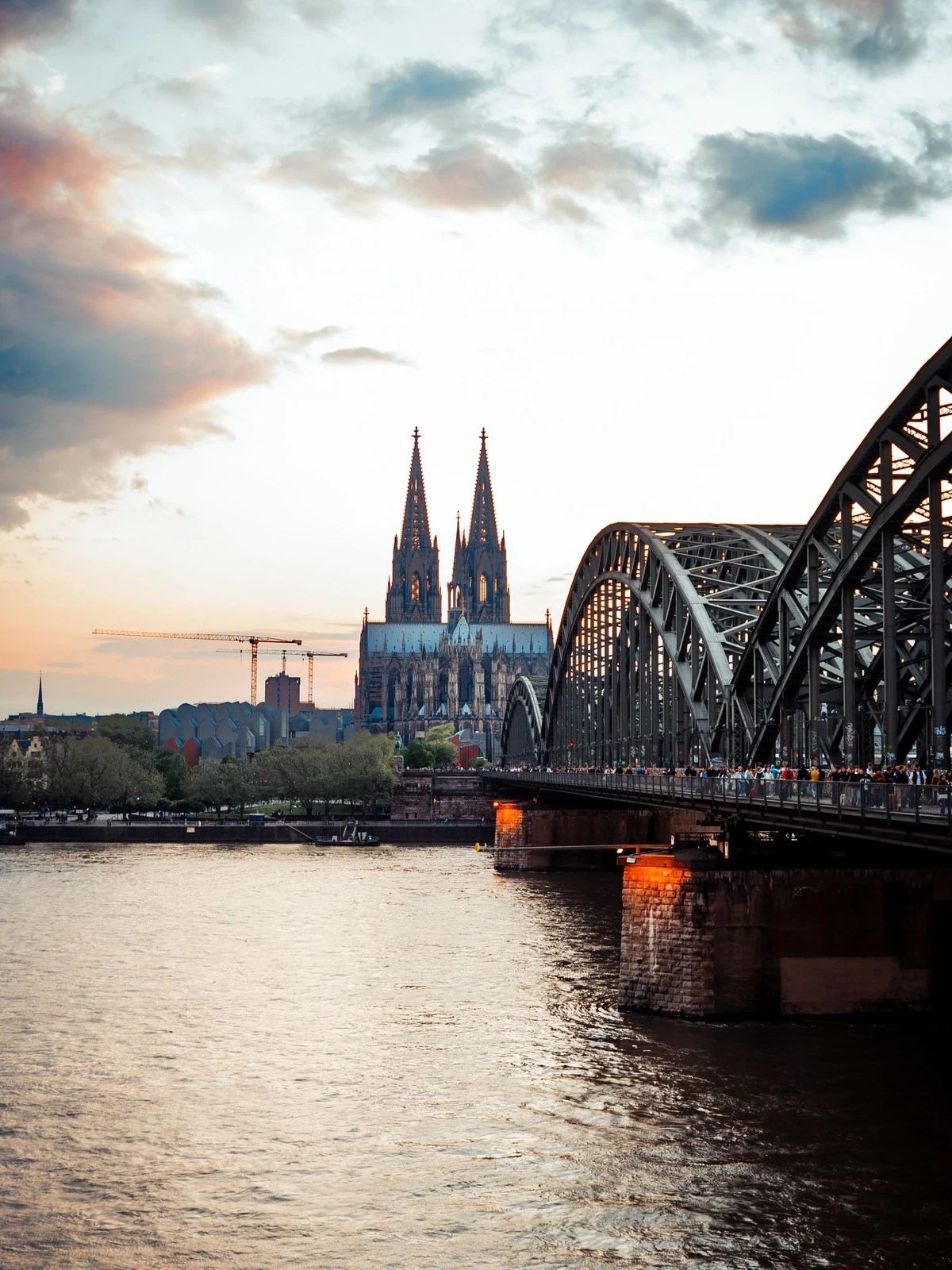
Day 1: arrive, drop your bag and keep the first walk simple: the cathedral area, the old-town riverfront and the Rhine. A late arrival should not cost you a non-refundable attraction slot.
Day 2: use the morning for the landmark or museum you actually want to visit, then cross towards Deutz for the skyline. Do not turn the whole day into a checklist of interiors.
Day 3: slow down in the Belgian Quarter for cafés, independent shops and food. This deliberately leaves a neighbourhood day rather than another long train excursion before the move to Hamburg.
Where to stay: compare the centre for station access with the Belgian Quarter for evenings out. Check the actual journey with luggage and late check-in arrangements, not just the distance on a map.
Days 4–6: canals, harbour views and a different city mood
Day 4: take the train north, check in and choose a short walk near your base. Save the main waterfront day for a morning when you are not carrying bags.
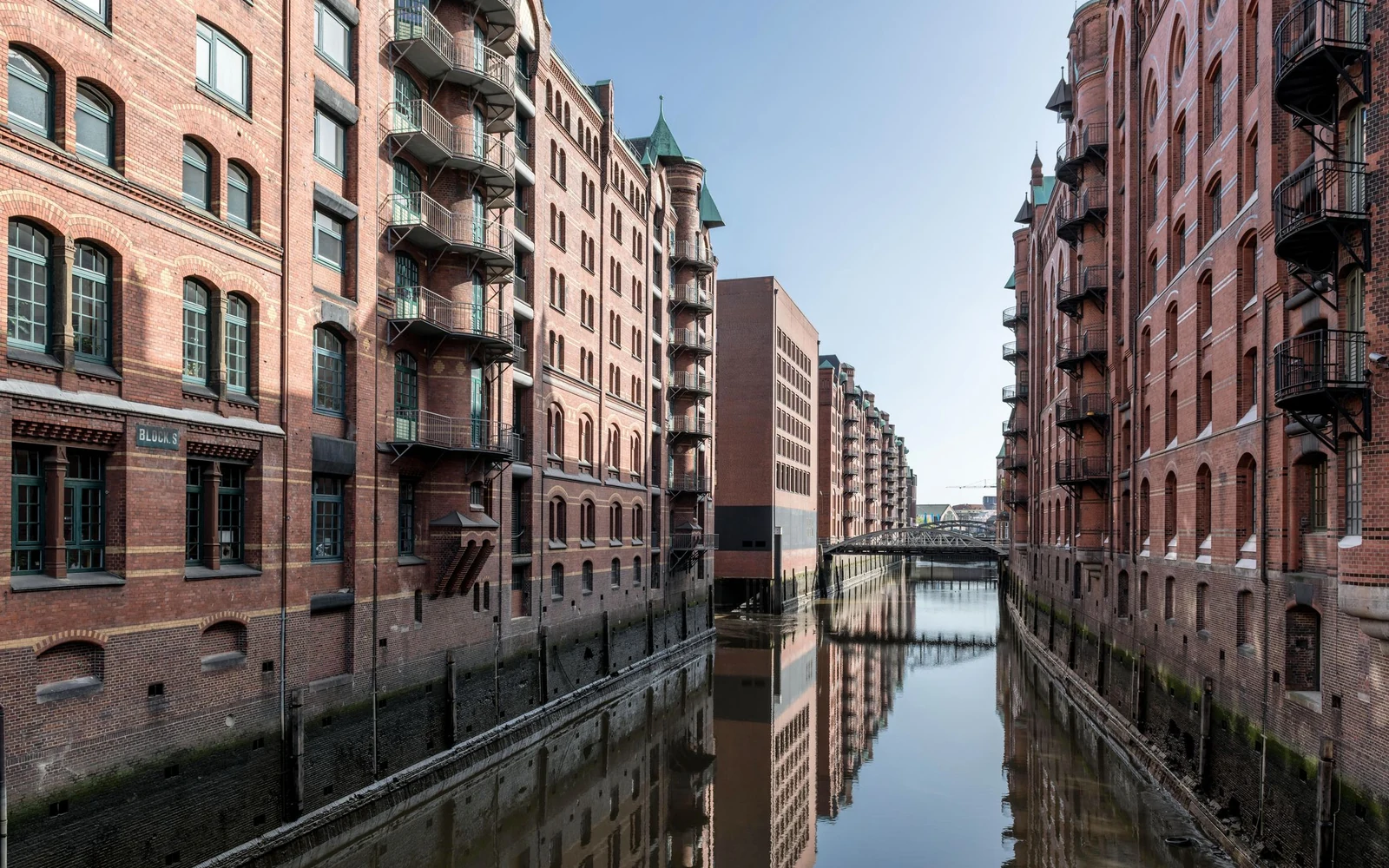
Day 5: combine Speicherstadt and HafenCity. If you want the Elbphilharmonie Plaza, check its current access arrangements separately from concert tickets. Leave time to sit by the water rather than crossing the city for another attraction.
Day 6: make this the flexible day: Alster walks in good weather, or cafés and a chosen indoor visit if it rains. Sternschanze can be your evening area rather than an extra hotel base.
Where to stay: compare easy access to Hamburg Hbf with the neighbourhood you want for evenings. Check reviews and the exact street; being beside a main station does not automatically make a stay more pleasant.
Days 7–10: give Berlin room to breathe
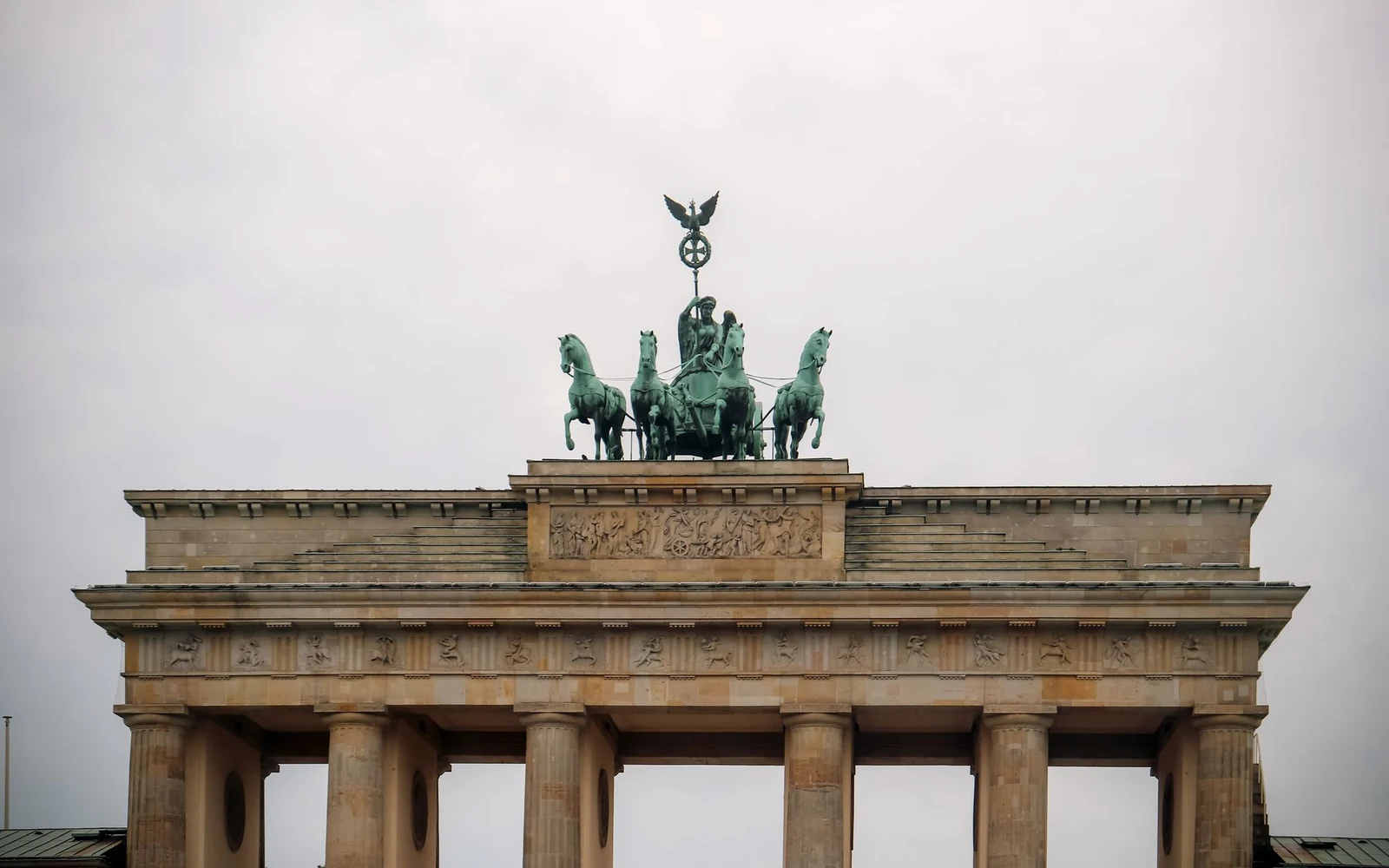
Day 7: arrive and explore around your accommodation. Berlin is spread out: choose a base with useful connections rather than trying to stay within walking distance of everything.
Day 8: build a central walk around Brandenburg Gate, the Spree and one museum or booked visit. If the Reichstag dome is on your list, check official registration in advance.
Day 9: pair the East Side Gallery with time in Friedrichshain or Kreuzberg. Choose a compact area for food and an evening out instead of spending the day on transport.
Day 10: leave room for your interests: an exhibition, second neighbourhood or open space at Tempelhofer Feld. This spare day also gives the itinerary resilience if weather changes your plans.
Days 11–14: Dresden and an optional nature day
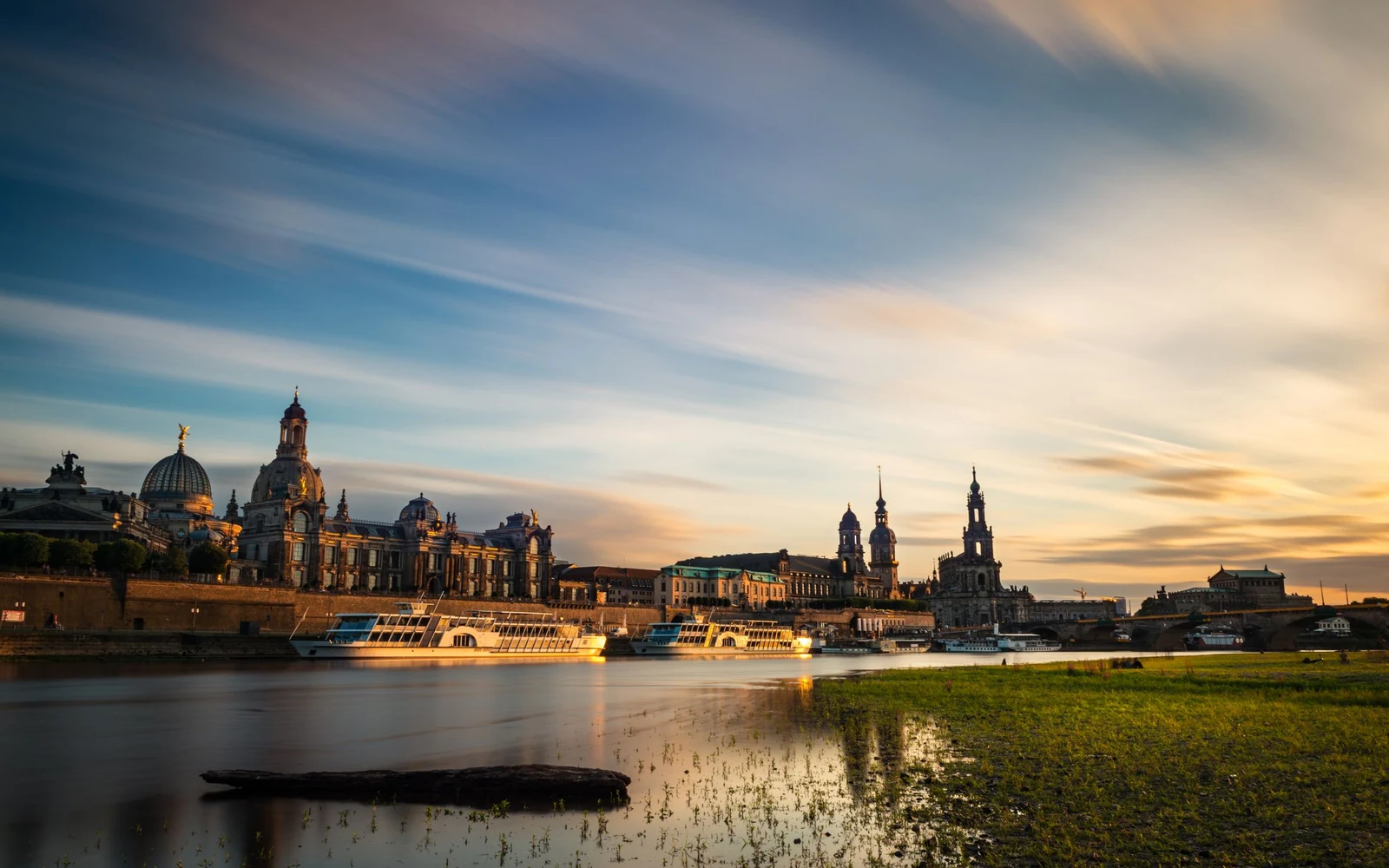
Day 11: arrive, settle in and walk beside the Elbe. Day 12: combine the old-town riverfront with time across the river in Neustadt. Choose any paid interiors through the official visitor information, keeping the rest of the day open.
Day 13: if conditions suit, consider the Bastei area in Saxon Switzerland. A car-free approach uses the S1 towards Kurort Rathen, then the river crossing and an uphill walk. Check the Rathen ferry information, return connections and current path access before setting off. The ferry has its own fare: do not assume your rail or local-network ticket includes it. Allow a full outing, with suitable footwear and a city alternative for poor weather.
A day trip is optional, not an extra base. On a flexi pass it may create another rail travel day; compare a local ticket before activating it. Day 14 is departure day, not a third full sightseeing day. If your trip home starts from another city, account for that transfer explicitly.
Will an Interrail pass save money on this route?
There are three main intercity dates: days 4, 7 and 11. Thirteen hotel nights do not mean you need thirteen pass travel days. Add any covered arrival, return or excursion journeys before choosing a product, then compare the same dates and class using our pass-versus-tickets method.
- Ticket option: total the three intercity journeys, optional reservations and any local tickets. Read the fare’s train-binding, exchange and cancellation conditions.
- Pass option: total the appropriate pass, any reservations or supplements, uncovered services and local travel on dates when you do not use a pass day.
- Access and return: add both ends of the trip to each option. Comparing a Germany-only pass with tickets that include travel from home produces a misleading result.
The value of flexibility depends on how you travel. If your accommodation and dates are fixed, check advance tickets seriously. If you want to choose among covered domestic trains later, a pass may suit you better even when it is not the lowest quoted total.
Build the whole holiday budget
Price 13 nights of accommodation, 14 days of food, main rail travel, local transport, activities, access, return and a contingency. Compare hostel beds with the per-person cost of a shared room. Include luggage storage and any accommodation taxes or supplements shown at checkout. Event dates can change the accommodation picture, so check rooms before committing to transport.
There is no reliable single “Germany Interrail trip cost” without your dates, room type and starting point. This guide does not present a live fare or accommodation quote.
Booking order and the checks that make the trip work
- Confirm the time available, arrival in Cologne and departure from Dresden, including the journey home.
- Check DB services for days 4, 7 and 11 and inspect works notices. If trains are not on sale yet, use our advance-planning guide before interpreting a missing result.
- Compare tickets and passes, including residence eligibility and the exact number of travel days.
- Choose accommodation with practical transport access and cancellation terms that suit your certainty.
- Reserve seats and timed visits where needed. Keep transfer-day activities flexible.
- Before each move, check departure station, platform updates and the current journey. Carry the pass ticket, any reservation and the identification required for your ticket.
For a shorter trip, remove a base. Ten days can work as Hamburg 3 nights, Berlin 4 and Dresden 2, with arrival on day 1 and departure on day 10. For seven days, choose two cities rather than forcing all four into the week. For a longer trip, add nights for your interests before adding more hotel changes.
When should you go?
Choose dates according to what you want to do: longer outdoor days for riverside walks and the nature option, or a more indoor-focused trip in colder months. Check events and accommodation prices before booking. In winter, keep walks shorter and do not plan the Bastei outing around a summer photograph; daylight and conditions matter.
Germany Interrail questions
Can I use an Interrail pass on ICE trains?
Covered DB ICE services are part of the German network available to passholders. Check your pass, class and actual service; domestic reservations are usually optional, while international requirements can differ.
Is this route suitable for a first Interrail trip?
It is a manageable introduction if you are comfortable with four city bases. You have only three main changes of accommodation, and the plan does not depend on overnight trains or a different hotel every day.
Do I have to buy a pass to follow the itinerary?
No. The same route can be travelled with individual tickets. Choose the transport product after comparing the complete cost and conditions for your dates.
Can I add Munich?
With fourteen days, we would replace a region or extend the trip rather than add another distant base. This itinerary is designed for a particular part of Germany, not every famous German destination.
Want a Germany route built around your trip?
Rail Trip Planner creates a personalised PDF itinerary and matching Google My Maps for €29 per itinerary. We organise bases, nights, travel legs and ideas around your dates and interests. You book trains, accommodation and activities yourself.
Sources and checks
Transport and visitor information checked on 20 October 2026 through the official links in this guide. The route, allocation of nights and daily groupings are editorial suggestions from Rail Trip Planner. Check service dates, pass terms, prices, opening arrangements and path access for your trip.
Photos: Radwan Menzer, Wolfgang Weiser, Claudia Solano and Andrés García via Pexels. Map: Rail Trip Planner using public-domain Natural Earth boundaries.
 Paris, Amsterdam, Berlin and Prague
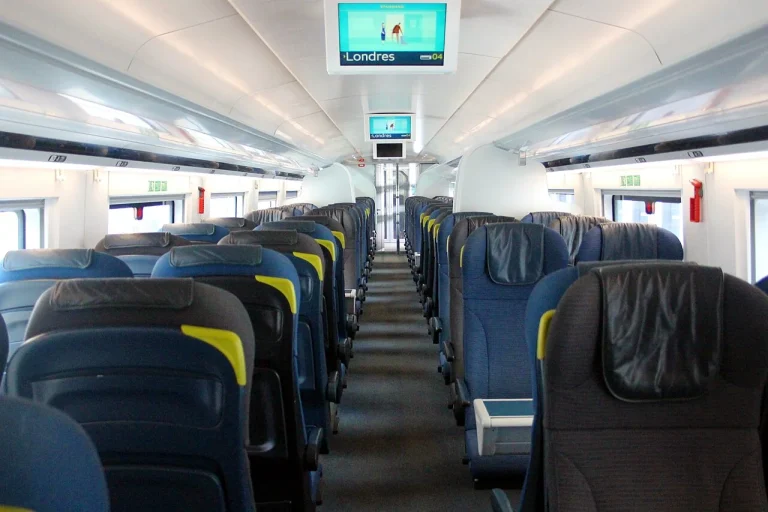 Seat reservations: the practical checks
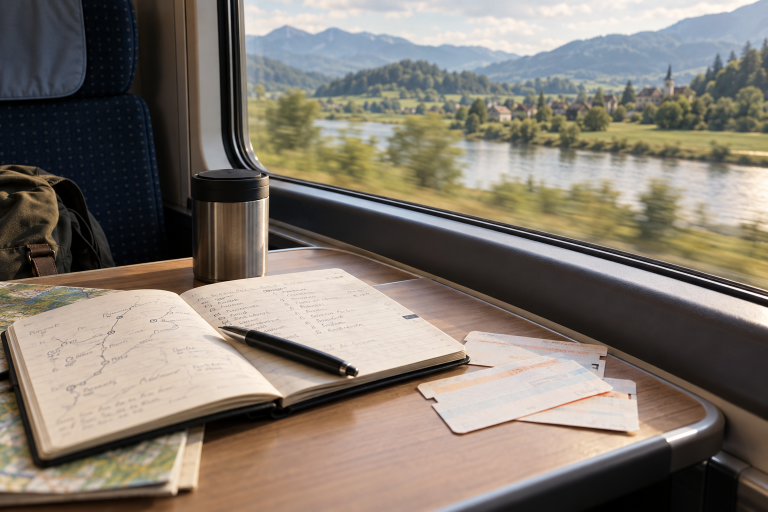 Rail pass or individual tickets?