
Two-Week Interrail Route: Paris, Amsterdam, Berlin & Prague
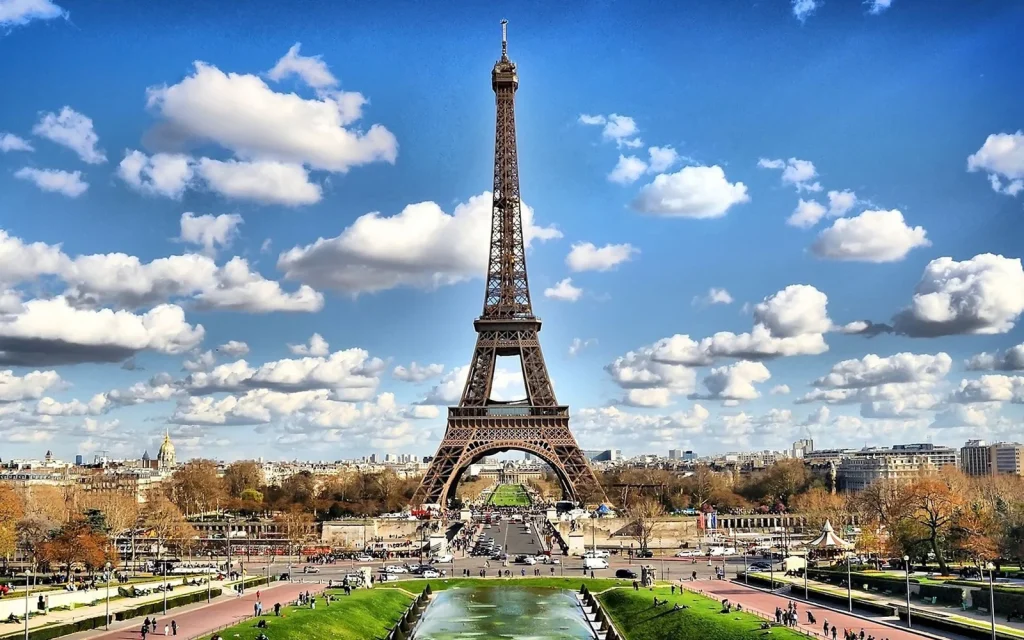
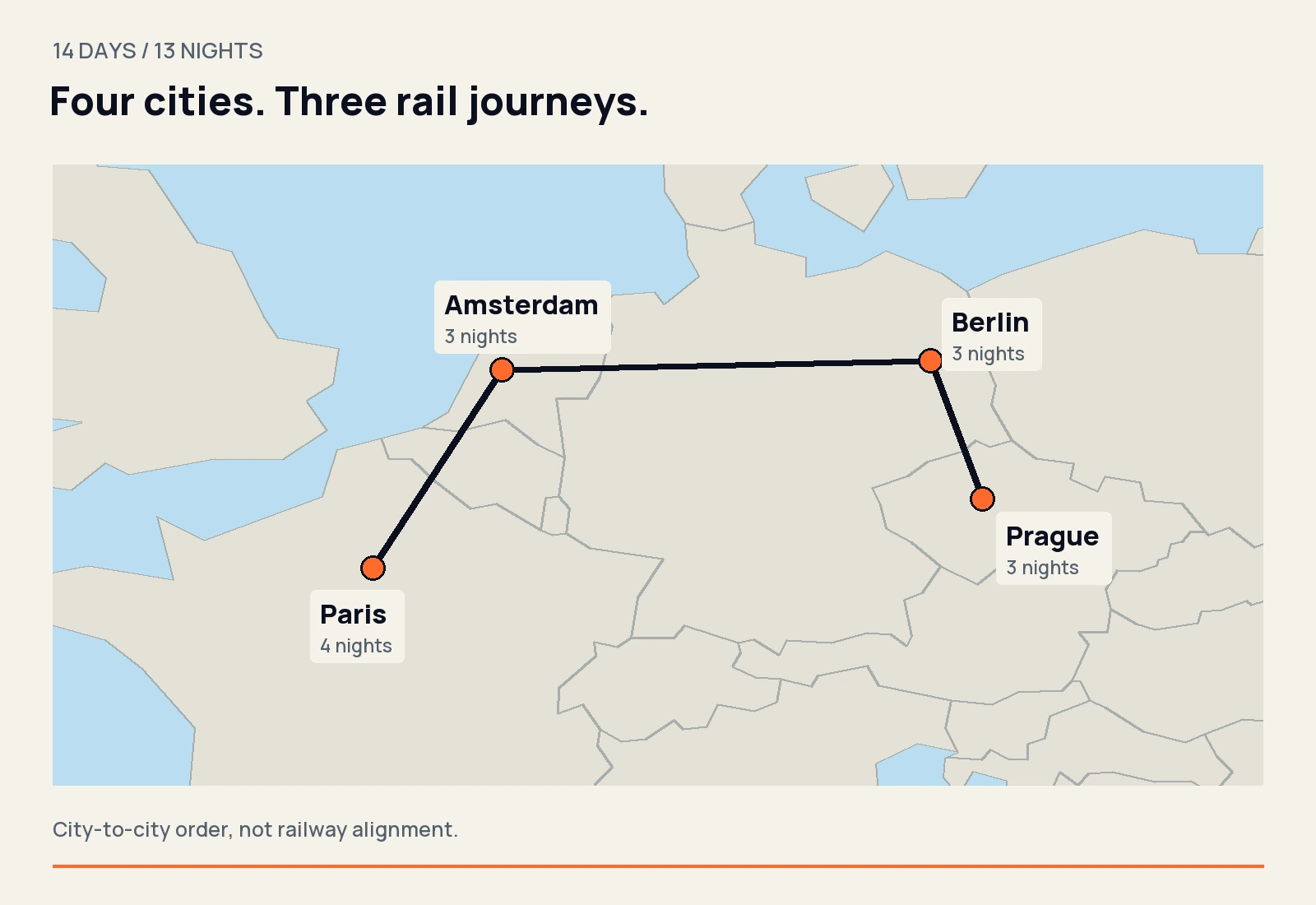
For a first two-week Interrail trip, try Paris → Amsterdam → Berlin → Prague, with four nights in Paris and three in each of the other cities. You get three full days in Paris and two in each later base, plus your arrival, departure and transfer days. It is a city-focused route with room for canals, neighbourhoods, museums and evenings out, without changing accommodation every night.
This is an adaptable itinerary, not a package with fixed departures. The 14 days run from your arrival in Paris to your departure from Prague. Travel from home to Paris and from Prague back home is additional: allow extra days if those journeys need them. You can reverse the route if the connections, prices and reservations suit you better.
In this guide: Route and nights · The three train journeys · Paris · Amsterdam · Berlin · Prague · Pass or tickets? · Budget · Booking order
The route at a glance
Four bases are enough to give this trip variety. The main compromise is that Amsterdam–Berlin takes a sizeable part of a day. Keep that evening light rather than planning around the fastest possible arrival.
| Base | Days | Nights | Useful time on the ground |
|---|---|---|---|
| Paris | 1–4; leave on day 5 | 4 | Arrival day + three full days |
| Amsterdam | 5–7; leave on day 8 | 3 | Transfer day + two full days |
| Berlin | 8–10; leave on day 11 | 3 | Transfer day + two full days |
| Prague | 11–14 | 3 | Transfer day + two full days; depart day 14 |
Who this suits: someone who wants recognisable cities, a mix of planned visits and unstructured time, and a manageable first multi-country trip. It is less suitable if you mainly want mountains, beaches or a different country every day. Two full days in Berlin are an introduction, not enough to see everything; add a night there if it is your priority.
Plan these three train journeys first
The timings below are planning guides for the train ride, not door-to-door promises. Add the journey to the departure station, boarding time, and transport from the arrival station to your accommodation. Check the actual date with the operator: engineering work, seasonal timetables and the station served can change the plan.
| Day / journey | Planning time on the train | What to check |
|---|---|---|
| 5 · Paris → Amsterdam | About 3 h 20 on a direct Eurostar | Paris Gare du Nord → Amsterdam Centraal. A separate paid passholder booking is required when using Interrail. |
| 8 · Amsterdam → Berlin | About 6 hours on a direct ICE; allow longer if your connection needs it | Check Amsterdam departure and Berlin arrival stations, the dated timetable and whether a seat reservation is required for that service/season. |
| 11 · Berlin → Prague | Allow roughly 4–4½ hours for planning; some advertised services are faster | Check the specific Berlin and Praha stations, train and reservation conditions. Do not assume every departure serves the same Prague station. |
Official reference points checked for this guide: Eurostar’s Paris–Amsterdam route; NS International’s Amsterdam–Berlin ICE, advertising a fastest journey of 5 h 51; and DB’s Berlin–Prague page, advertising a fastest journey of 3 h 47. These are route information pages, not confirmed departures for your trip.
Paris–Amsterdam: a pass does not secure the seat
Check Eurostar passholder availability before committing to non-refundable accommodation around day 5. Ordinary tickets being available does not automatically mean a passholder place is available. Eurostar’s published Paris–Amsterdam passholder fare starts at €32 one way; check the current class, price and any distributor fee before paying. See the official passholder conditions and our seat reservation guide.
If the train you want is unavailable, compare another departure, a different date or a suitable connection. Recalculate the whole journey before accepting an alternative: a route with more changes is not automatically an equivalent replacement.
Amsterdam–Berlin: give the journey its own day
A morning departure can leave time to settle in and have dinner in Berlin. Treat that as a bonus, not a promise of a full afternoon of sightseeing. Confirm the exact service rather than assuming every operator selling this city pair accepts your pass.
Seat reservations and pass validity are separate checks. Some international trains have seasonal reservation requirements, so avoid a blanket “no reservation needed” rule for this itinerary. A reservation can still be useful when optional, especially if you want to sit together. Verify the train and date with NS International or the booking operator.
Days 1–4: Paris, with four nights
Day 1: arrive and keep the plan small
Reach your accommodation, sort out check-in or luggage storage, then explore nearby. A café, a short walk and dinner are enough after a long journey. If you arrive early, add a Seine walk; if you arrive late, move it to another day. Arrival time determines what fits.
Day 2: the Seine, the Louvre area and the centre
Group the Louvre/Tuileries area with the river and Île de la Cité. Choose one substantial indoor visit if you want one, and leave space for the neighbourhoods around it. A Louvre visit is optional, not a compulsory stop between several other museums. Check current opening arrangements and book a suitable slot through the official Louvre website.
Day 3: Eiffel Tower area and a slower second half
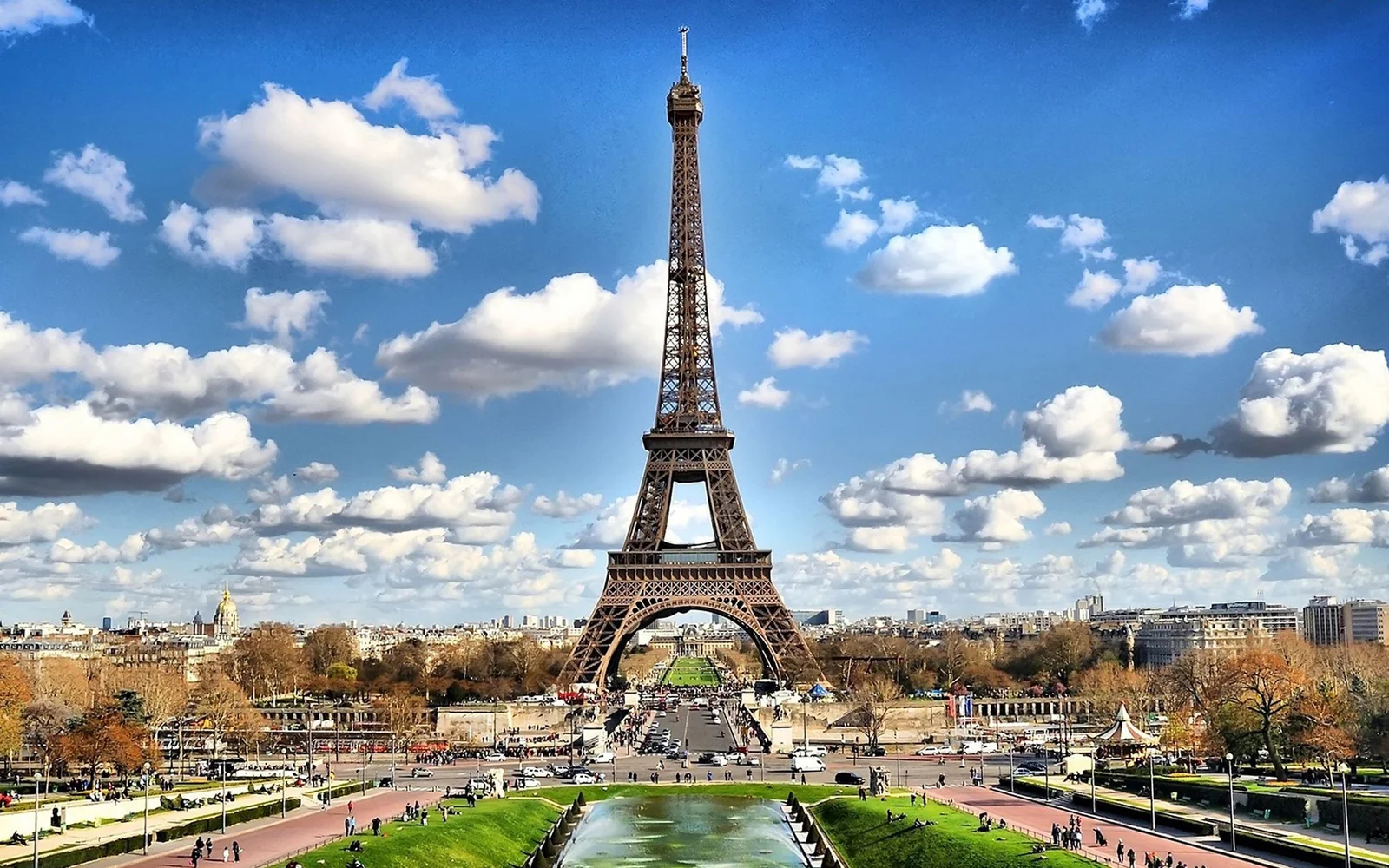
Make the Eiffel Tower area the main outing. Decide whether you want a paid tower visit or to enjoy the views from outside, then plan accordingly. Pair it with a nearby walk and a relaxed meal. Avoid scheduling a distant, fixed-time activity immediately afterwards. Use the official Eiffel Tower site for tickets and visitor information.
Day 4: Montmartre, then your own priority
Spend part of the day around Montmartre if its slopes and steps suit your mobility needs. Use the rest for something you actually want: a museum, shops, a food experience or more neighbourhood time. Keep the evening usable for packing and checking the journey from your accommodation to Gare du Nord.
Where to base yourself: compare accommodation by the transport links you will use and the practical journey to Gare du Nord, not simply a “central” label. Check stairs/lifts, late arrival arrangements, total room price and luggage storage. No particular district or property guarantees quiet or safety.
Days 5–7: Amsterdam, with three nights
Day 5: train from Paris, then canals
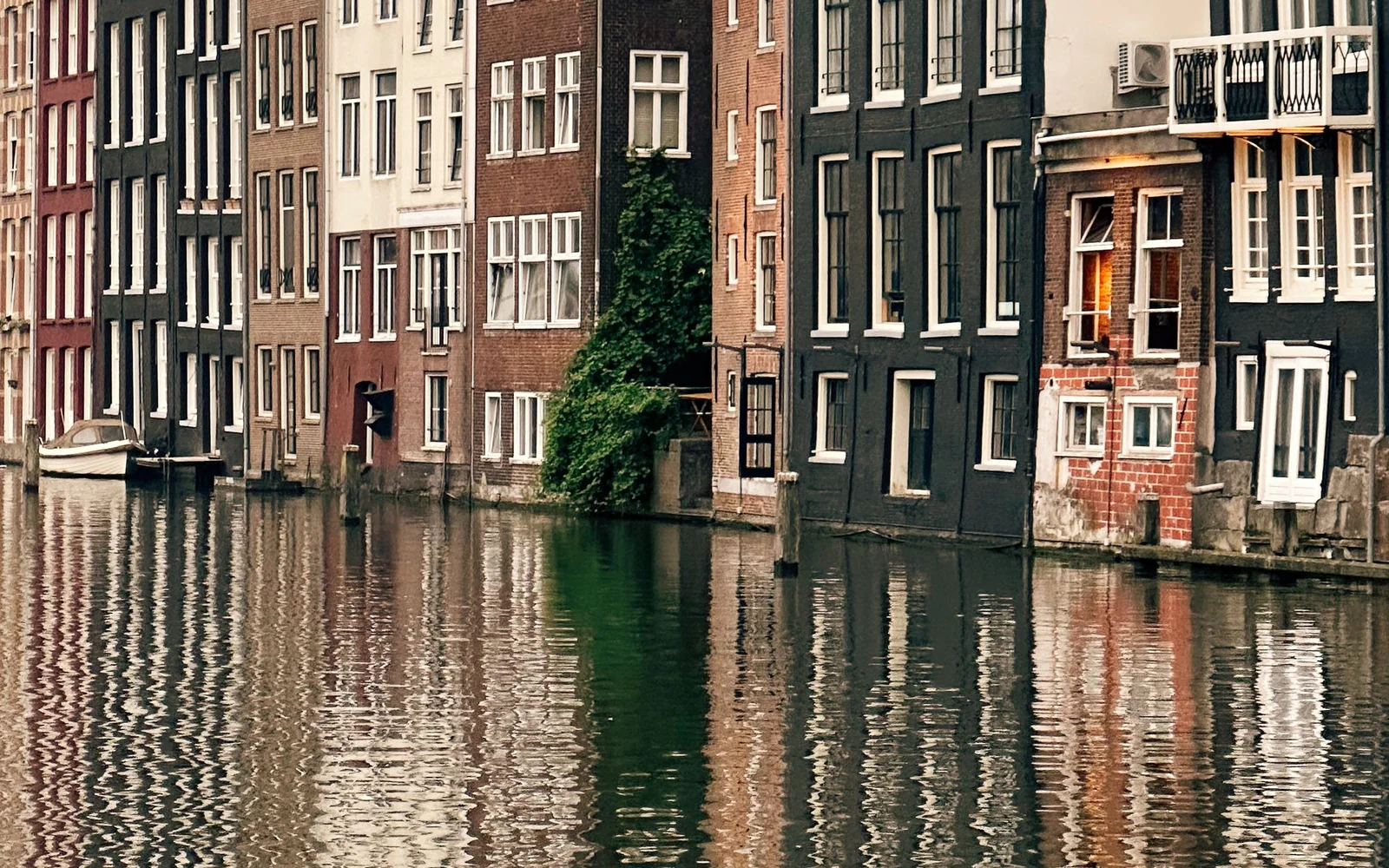
Take your booked Eurostar, settle into your accommodation and use the remaining time for a canal-side walk near your base. Eurostar’s continental boarding advice differs from its London procedures: follow the instructions for your route and allow extra time if you need it.
Day 6: choose a museum, then enjoy the city around it
Pick the Rijksmuseum or the Van Gogh Museum according to your interests, rather than making both obligatory. Combine the visit with the Museumplein area, a park or time in De Pijp. If you prefer canals to galleries, use that block for a boat trip instead. Tickets and local activities are separate from the rail pass.
Day 7: Jordaan, canals and one personal priority
Leave room for Jordaan and the canal streets. If the Anne Frank House is a priority, plan around a ticket you can actually obtain through the official museum; a neighbourhood walk is not a substitute for museum admission. Alternatively, choose another museum, a market or a longer café stop. Check the Van Gogh Museum’s own ticket site if that is your choice.
Where to base yourself: compare total accommodation costs with the frequency, last service and price of transport from Centraal and your planned visits. Staying farther out can be sensible, but only after including those extra journeys. An Interrail pass does not automatically cover local trams, buses or metro.
Days 8–10: Berlin, with three nights
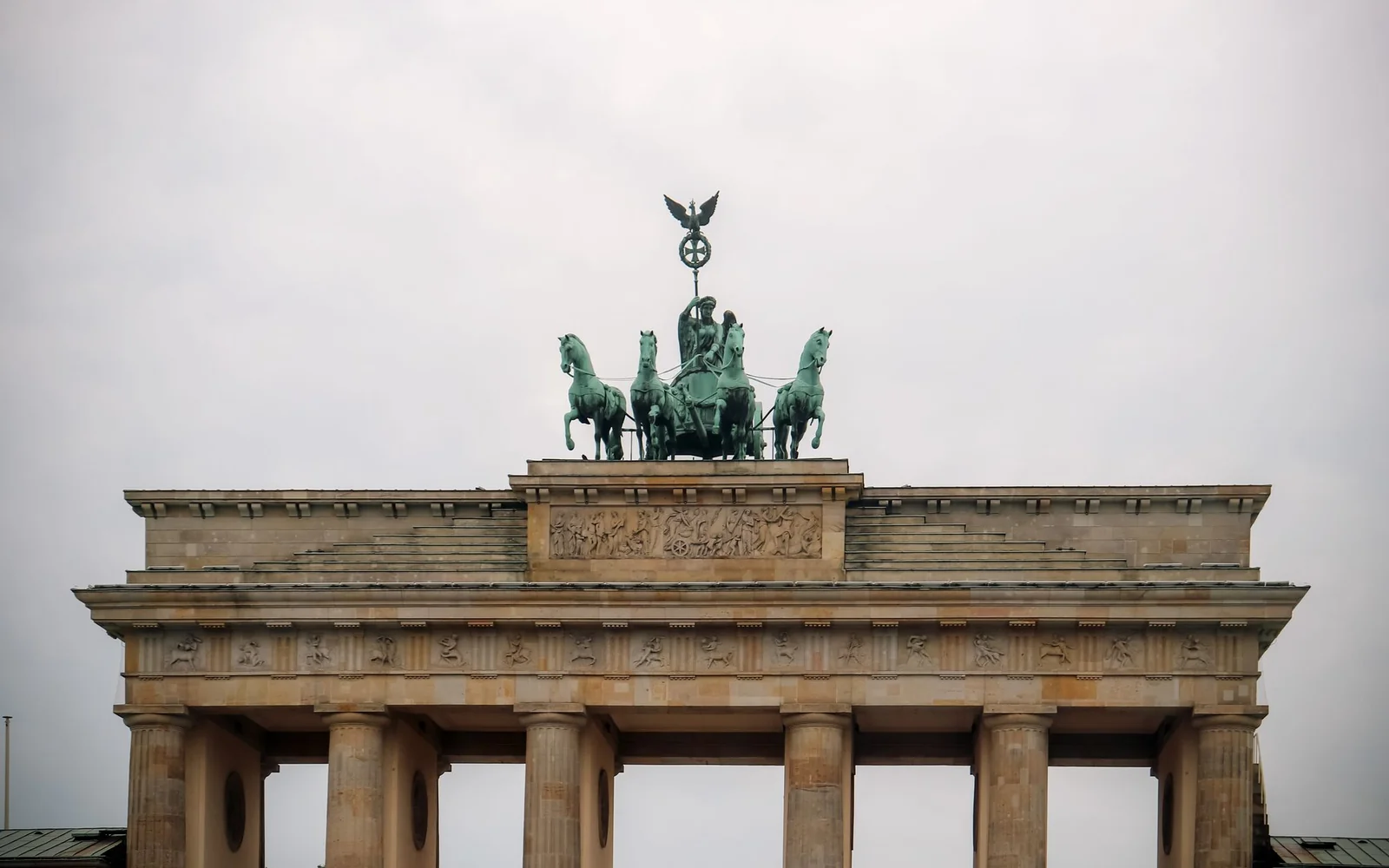
Day 8: travel and settle in
This is the longest main transfer of the route. Keep food, documents and chargers accessible, and check your accommodation’s arrival instructions. After checking in, choose dinner and a short local outing. Do not make a prepaid evening attraction depend on an optimistic train arrival.
Day 9: the centre and one deeper visit
Group the Brandenburg Gate, government district and nearby central sights. If you want the Reichstag dome, check the Bundestag’s registration procedure in advance. Then choose one museum or historical visit that interests you. Give memorial sites the time and respect they need rather than treating them as photo stops in a checklist.
Day 10: East Side Gallery and neighbourhood time
Build a day around the East Side Gallery and the Friedrichshain/Kreuzberg side of the city, adapting distances and transport to your needs. Add street food, a café, shops or nightlife if you want it. If museums are your main reason for visiting Berlin, replace this day accordingly. The official Berlin tourism site is a useful starting point for current visitor information.
Where to base yourself: good S-Bahn/U-Bahn connections to the station used by your trains and the areas you plan to visit matter more than being close to one landmark. Check whether any chosen local rail service is included in your pass; do not extend that assumption to the U-Bahn, trams or buses.
Days 11–14: Prague, with three nights
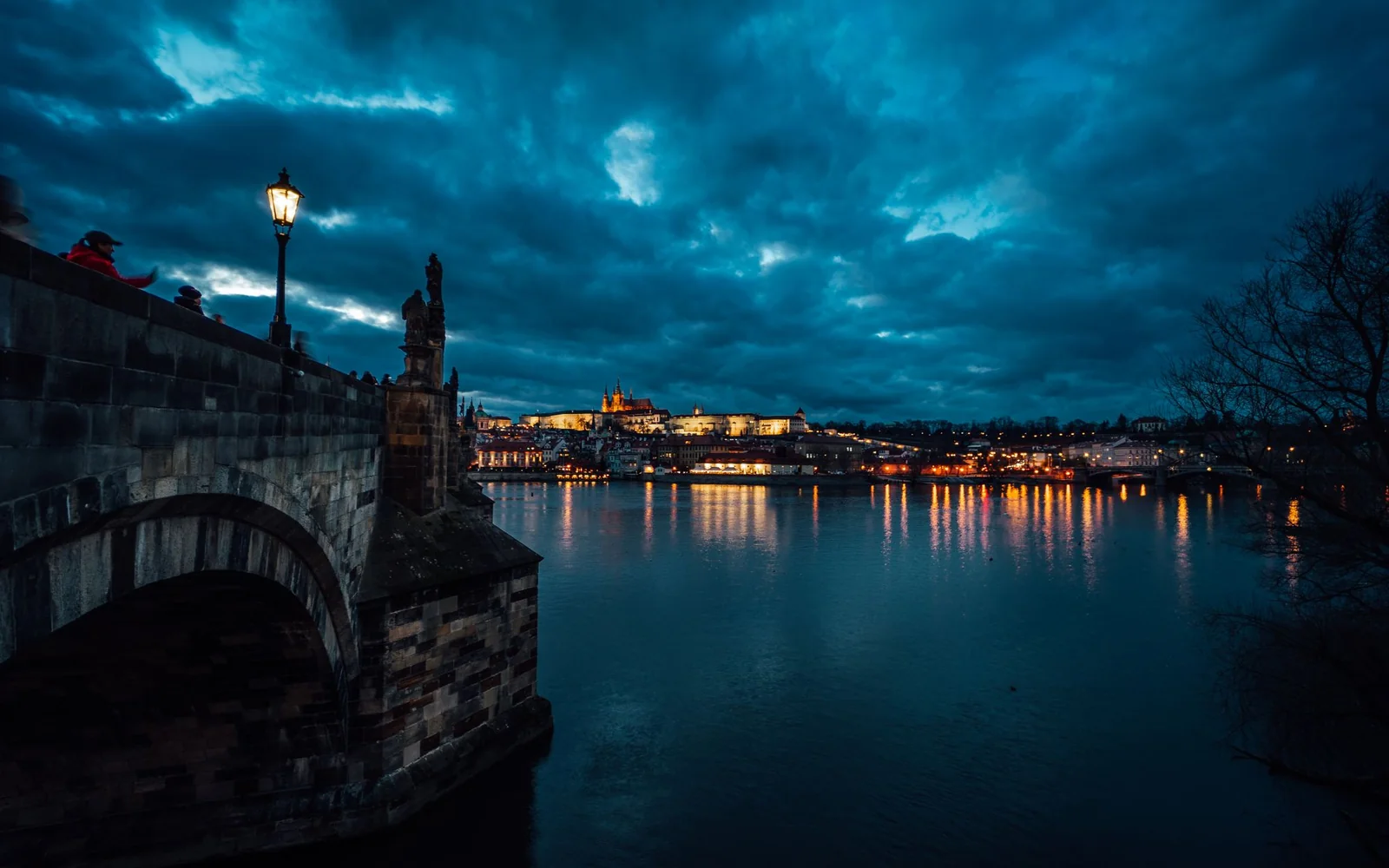
Day 11: arrive and find your bearings
Check which Praha station your train actually uses and how you will reach your accommodation. Once settled, have a first look around your neighbourhood or the river. A late arrival should not force you to squeeze the Old Town and castle into the same evening.
Day 12: Old Town, the river and Charles Bridge
Explore the Old Town and build in time for the Vltava and Charles Bridge. Choose the route and time around the pace you prefer. Add a café, gallery or indoor stop if the weather is poor. Crowds and surfaces can affect how easy a walk feels, so adapt rather than chasing a fixed list.
Day 13: castle side or a neighbourhood day
Choose the castle area and Malá Strana if that is your priority, allowing for slopes, transport and any ticketed interiors. For a different day, look at Letná or Vinohrady and spend more time outside the main sightseeing circuit. Consult Prague City Tourism for current options. You do not need to fit every area into this visit.
Day 14: departure
Leave a realistic margin for your next train or flight. A late departure might allow breakfast or a short local outing, but this itinerary does not count day 14 as another full sightseeing day. A long journey home may require a fifteenth day.
Where to base yourself: compare the station connection, local transport and access to the areas you want to visit. A property in the Old Town can be convenient, but check the actual approach, stairs and arrival instructions rather than relying only on a map pin.
Does this route need an Interrail pass?
Not necessarily. The core itinerary has three long-distance travel days: days 5, 8 and 11. Compare the real price of those three journeys with the appropriate pass plus required reservations and any booking fees. Your arrival in Paris, departure from Prague and extra rail trips may change the calculation.
Make the comparison using the same travel dates, class and flexibility. A cheap restricted ticket is not equivalent to a more flexible option. If you already own a suitable Global Pass, check its validity and remaining days; if you are buying specifically for this trip, do not assume a pass automatically saves money. Our pass versus individual tickets guide explains the method.
If one of these countries is your country of residence, check the Global Pass rules for travel in your own country. Residence rules can affect how you use the route. Urban transport, museum tickets and activities also need their own checks.
Build a budget you can actually compare
Price the 13 nights first, particularly Paris and Amsterdam, then add transport and your chosen activities. Check whether the accommodation amount is per room or per person, whether taxes are included and how cancellation terms compare. A hostel bed, shared twin room and private single room are different budgets.
The following is a worked budgeting example using chosen inputs, not researched hotel rates, a market-price estimate or a bookable offer. Replace every input with quotes for your dates and travel style. It shows why quoting only the rail pass is not the trip total.
| Example input, per person | Calculation | Amount |
|---|---|---|
| Accommodation | €70 × 13 nights | €910 |
| Food | €30 × 14 days | €420 |
| Local transport allowance | €8 × 14 days | €112 |
| Chosen visits and activities allowance | Example total | €120 |
| Subtotal before rail and other costs | 910 + 420 + 112 + 120 | €1,562 |
Then add your actual rail tickets or pass + reservations, access to Paris and travel home from Prague, insurance if chosen, luggage/storage costs, other activities and a contingency suited to you. The €70 accommodation input is per person: for two people sharing, it means a €140 room per night in this example, not a €70 room split between two.
Keep Czech koruna and euro amounts labelled, and use a dated exchange rate when converting Prague costs. Do not assume every expense can be paid in euros. Recheck the total when you change dates, accommodation type or the number of travellers.
A sensible order for booking this trip
- Check access and return first. Make sure arriving in Paris and leaving Prague work with your available days, documents and budget.
- Find the three main train connections. Check the actual travel dates, stations, pass acceptance and reservation requirements; pay particular attention to Eurostar passholder availability.
- Compare accommodation for the same nights. Confirm total prices, arrival arrangements, accessibility needs and cancellation conditions before making linked commitments.
- Compare tickets with a pass, then book the chosen transport. Save confirmations and distinguish tickets, pass journeys and separate seat reservations.
- Book the visits you care about. Put timed admissions on full days where possible, with space between activities.
- Recheck shortly before travel. Engineering work, station changes and local transport can alter the last version of the plan.
If a future departure is not on sale yet, that does not prove there will be no train. Use our guide to train tickets not yet on sale to organise the decisions that can wait. For winter travel, adapt outdoor plans and daylight, and use our winter Interrail packing guide.
How to adapt the route without overloading it
- Only 10–11 days? Choose three bases rather than squeezing the same four cities into fewer nights. Keep the arrival/departure journey in the calculation.
- Berlin is your priority? Move a night from Paris to Berlin if three Paris nights fit your interests, or extend the trip. The total must still add up.
- Want a day trip? Replace a city day with it. Do not count a day outside the base as additional free time.
- Travelling in winter? Put outdoor visits in the useful daylight and keep indoor alternatives. A summer photograph is not a promise of the same conditions.
Questions before you choose this route
Is 14 days enough for these four cities?
It gives you a first visit with three full days in Paris and two each in Amsterdam, Berlin and Prague. It does not cover every attraction. Add nights or remove a base if you prefer a slower pace or have travel needs that require more time.
Can I start in Prague instead?
Yes. Reverse the order and keep the same allocation of nights, then check connections and passholder availability in that direction. Arrival and departure days still need to be included.
Are all three trains direct?
The route can be built around direct daytime services on these corridors. Your chosen date may require a different service, station or connection. The indicative table is not a guarantee of a particular departure.
Does the budget include the pass?
No. The €1,562 figure is an arithmetic example for accommodation, food, local transport and activities only. Add your actual rail costs and the other expenses listed above to build your own total.
Sources and update notes
Photos, cropped and compressed: Thorsten technoman, Ömer Gülen, Claudia Solano and Thomas Ronveaux / Pexels. Map: Rail Trip Planner using public-domain Natural Earth cartography; city-to-city line is schematic.
Make the route fit your actual trip
Rail Trip Planner creates a personalised PDF itinerary and matching travel map for €29 per itinerary, adapting destinations, nights and transfers to your preferences. You book trains, accommodation and activities directly with the providers; travel expenses are separate.
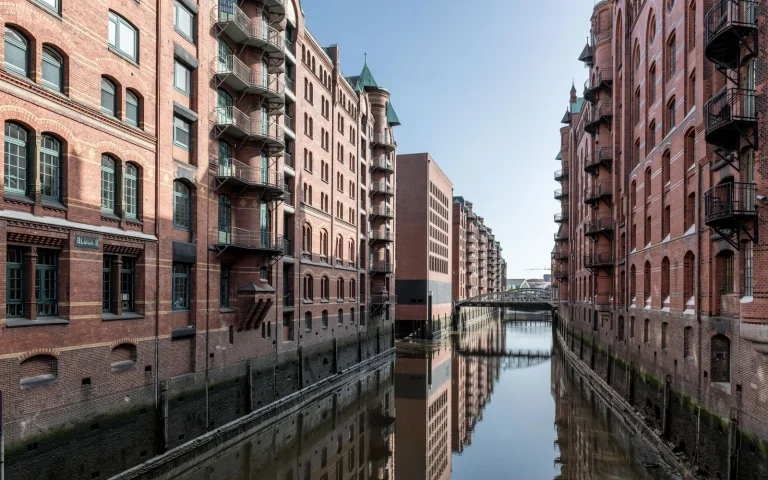 Germany by train: a two-week route
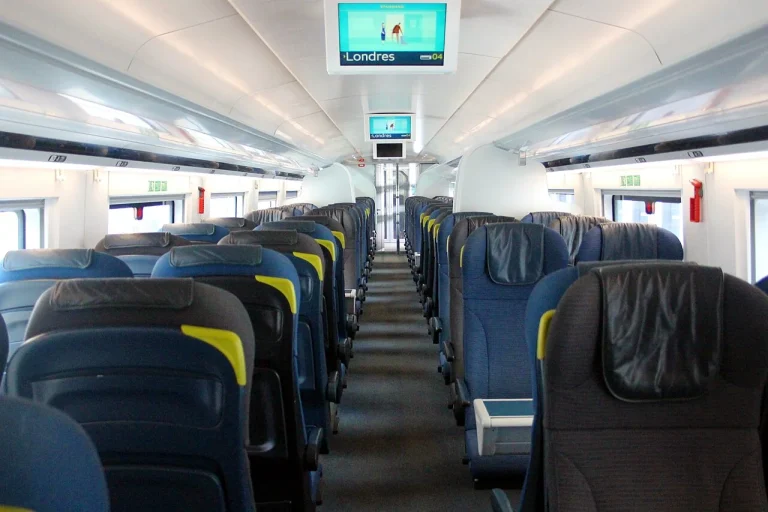 Seat reservations: the practical checks
 Rail pass or individual tickets?