
Italy by Train in 2 Weeks: Bologna, Florence, Rome and Naples
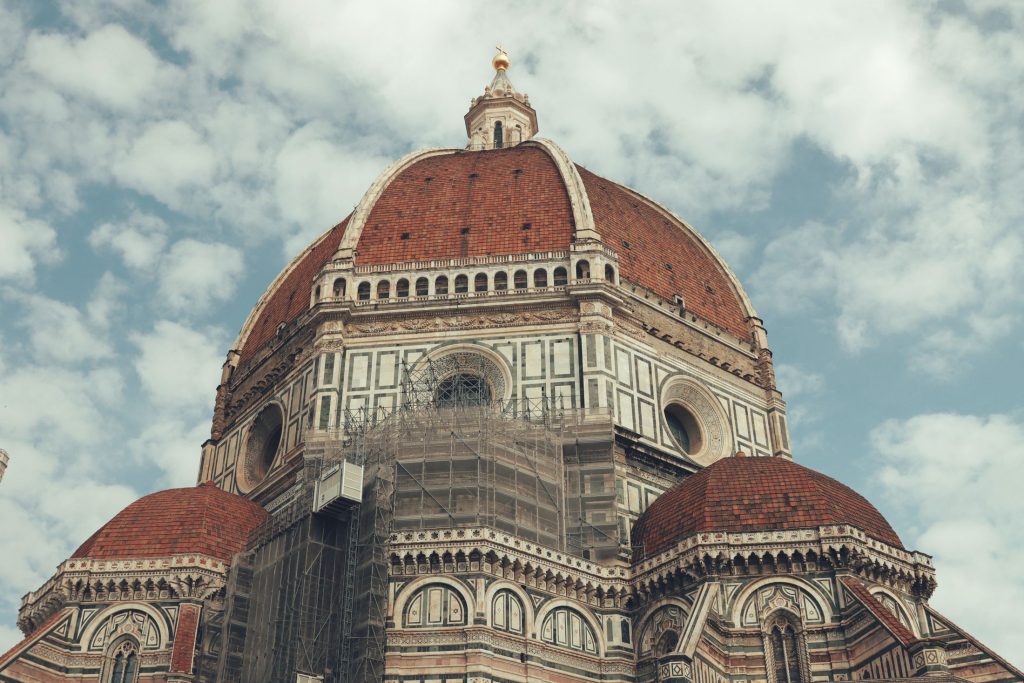
Two weeks in Italy can easily become a collection of station platforms and half-seen cities. This route gives you four bases instead: Bologna, Florence, Rome and Naples, travelling south with three main moves between hotels. It is a good starting point if you want recognisable places, food and time to wander, rather than a different bed every night.
The suggested split is 2 nights in Bologna, 3 in Florence, 4 in Rome and 4 in Naples: 14 days and 13 nights. Day 1 starts on arrival in Bologna; day 14 ends with departure from Naples. Getting to the start and home from the finish is additional travel to arrange. This is a suggested itinerary, not a priced package or a guarantee of particular trains.
The route at a glance
| Days | Overnight base | Nights | Main plan |
|---|---|---|---|
| 1–2 | Bologna | 2 | Arrival, porticoes and food streets |
| 3–5 | Florence | 3 | Transfer, selected art and Oltrarno |
| 6–9 | Rome | 4 | Transfer plus three full city days |
| 10–13 | Naples | 4 | Transfer, city time and optional Pompeii |
| 14 | Departure | — | Leave Naples; allow for your onward journey |
Four nights do not mean four full sightseeing days. For example, arrival in Rome on day 6 and departure on day 10 leaves days 7, 8 and 9 fully between journeys. The same logic gives Naples three full days, with Pompeii using one of them if you choose it.
Why these four cities work together
Bologna, Florence, Rome and Naples sit on a useful north–south high-speed corridor. You can move between them without crossing the country repeatedly. Bologna adds a gentler food-and-streets opening; Florence brings art and a smaller centre; Rome has enough time for separate areas; Naples finishes the trip with another strong city identity.
This is still a city-heavy route with walking, crowds and museum choices. If your main goal is beaches or several quiet days, change the route rather than trying to squeeze those into the margins. There are three hotel changes, and that does not remove check-out, luggage and station time.
Days 1–2: Bologna, two nights
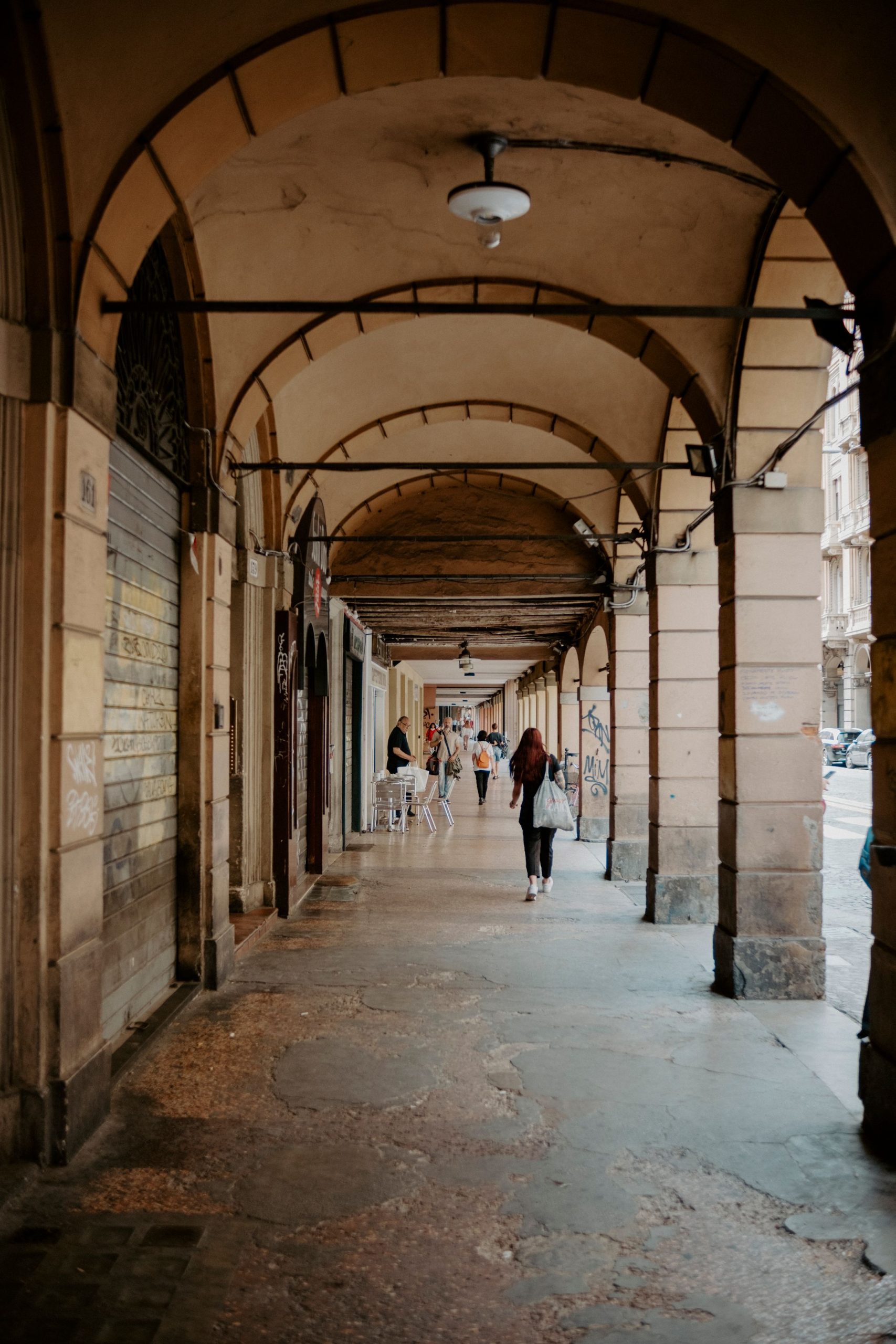
Keep arrival day simple. Drop your bag, find Piazza Maggiore and let the porticoes lead you through the centre. A meal around the Quadrilatero or a walk towards Santo Stefano makes more sense than an expensive timed booking immediately after an uncertain arrival.
Use day 2 for the part you most want: food streets and a relaxed lunch, the university area, or a longer portico walk. Bologna Welcome explains the different stretches of the city’s porticoes; you do not have to treat them as one checklist. Check access separately if you choose an interior or organised experience.
Bologna Centrale is the rail station to search for the next leg. Allow time to find the platform, especially when your service uses the high-speed levels. Pick accommodation by its actual location and luggage arrangements, not just a label saying “central”. Two nights leave one full day; avoid making that day mostly an excursion elsewhere.
Days 3–5: Florence, three nights
On day 3, take a train to Firenze Santa Maria Novella, commonly shown as Firenze S. M. Novella or Firenze SMN. A high-speed journey is roughly 35–40 minutes as a planning guide; the actual train and station matter. That short ride does not make the whole change of base a forty-minute task.
Use the arrival afternoon for a first walk around the cathedral area and the river. Keep day 4 for the major art visit you actually want. The Uffizi, the Accademia and the cathedral complex have different tickets and arrangements: booking one does not admit you to the others. The Uffizi’s official purchasing guidance identifies its own sales platform. Check the chosen museum’s opening day before locking your plan.
Give day 5 to Oltrarno, a slower lunch and time outside the museum sequence. You could choose another gallery instead, but it need not become a second packed day. A viewpoint is an option if the walk, weather and daylight suit you. This version does not add Pisa or Cinque Terre as mandatory trips.
Days 6–9: Rome, four nights
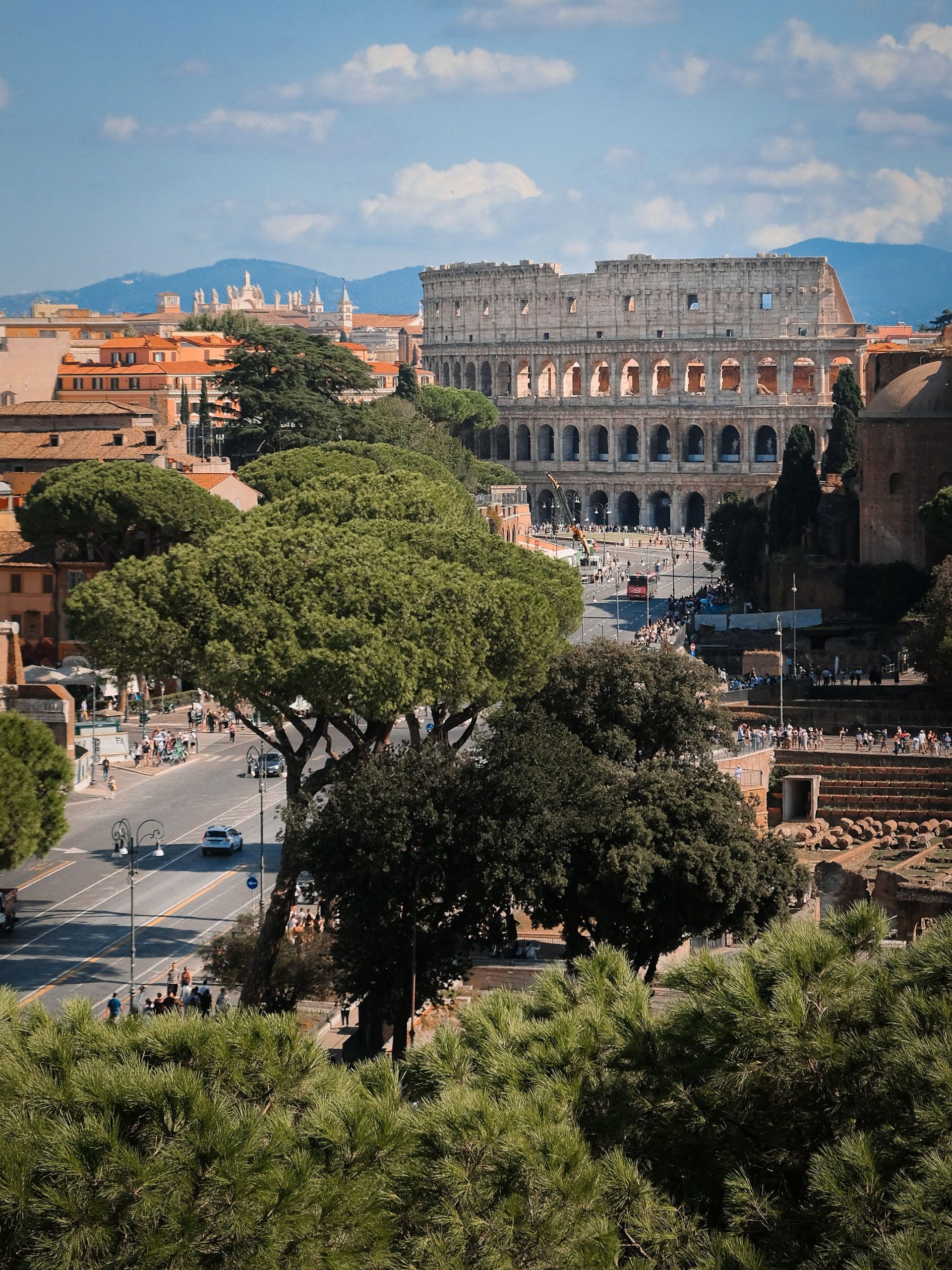
Travel to Roma Termini on day 6 if that suits your accommodation. Some services call at Roma Tiburtina instead or as well; compare the whole journey to the hotel. Florence–Rome high-speed trains take around an hour and a half on faster services, with variation by train. Use the operator’s live search rather than building a same-day museum booking around a marketing minimum.
You then have three full days. A workable way to organise them is one ancient-Rome day, one historic-centre-and-neighbourhood day, and one day for your strongest remaining interest. If that is the Vatican Museums, check their own calendar and ticket system. If it is food and neighbourhood walks, leave that day flexible.
The Colosseum and Forum deserve space in the day rather than being treated as one stop between several distant appointments. Check the archaeological park’s official tickets and opening times for your chosen visit. Timed admission, ticket type and named-entry rules can affect the plan. Do not assume a general rail pass includes attraction entry.
Rome works better when you group places by area. Add the journey back to your room, a meal and some rest before deciding whether another district fits. Four nights are useful because they create three days without a hotel move, not because you can fit every major attraction.
Days 10–13: Naples, four nights
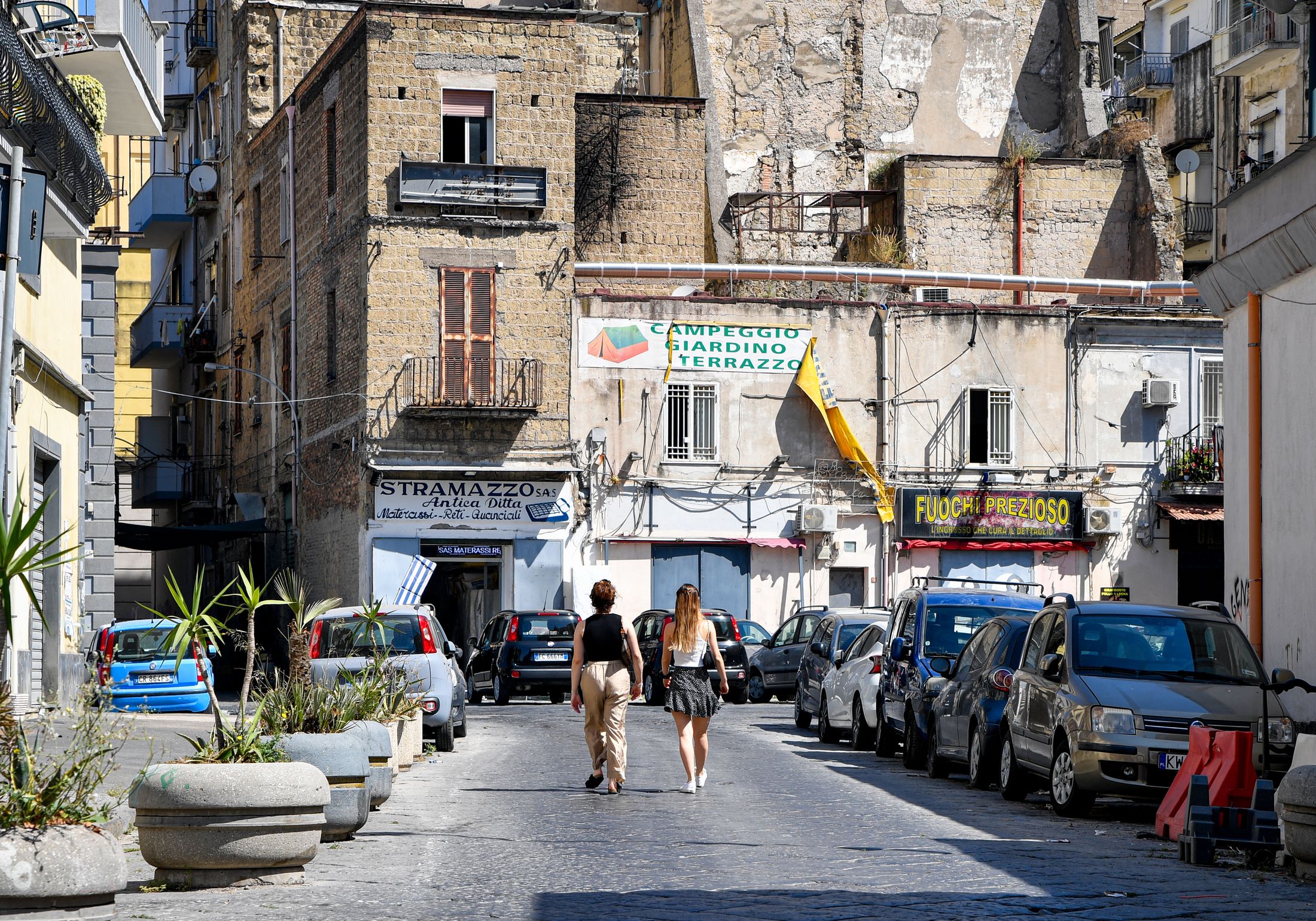
Continue to Napoli Centrale on day 10. Faster Rome–Naples services are broadly around 1 hour 10–20 minutes, depending on the train. Check the exact result, including departure station, rather than assuming all services take the same time.
Start Naples with its historic streets and food. Keep a separate day for the waterfront, another neighbourhood or a museum that matches your interests. If you want the National Archaeological Museum, check its opening calendar and allow it its own time. Naples is the final base here, not merely a place to sleep between excursions.
Pompeii is the optional day trip. The archaeological park lists different approaches and entrances. Its official access page distinguishes Pompei Villa dei Misteri on the Napoli–Sorrento line from the Trenitalia station named Pompei. Choose the train and entrance together, and check local tickets and any connection. Do not assume every local operator or shuttle is included in your pass.
If you choose Pompeii, give it the day, including travel, walking and a return margin. This route does not also prescribe Sorrento, Capri and the Amalfi Coast. On day 14, allow time for your actual station or airport; a flight from another city may require an extra night or a different final base.
Trains, reservations and the pass question
The three core journeys are Bologna–Florence, Florence–Rome and Rome–Naples. Search both Trenitalia and Italo, checking stations, departure times and fare conditions. The time ranges above are orientation, not a checked timetable for your dates. Works and timetable changes can alter the trip.
With only three main rail journeys, price individual tickets before assuming a pass will save money. Compare the exact services, change/refund conditions and every additional fee. A cheaper fixed ticket and a more flexible fare are different products.
For eligible travellers considering Interrail, Frecciarossa requires a seat reservation, paid separately from the pass. Italo is not covered by that pass. Check the Italy rail guidance and the participating-company list. Booking with one company does not give access to another company’s train.
Residence matters: an Italy One Country Pass cannot be used by someone resident in Italy. A Global Pass’s limited home-country journeys are not unrestricted domestic travel. Check Trenitalia’s pass conditions, and compare a product you can actually use. You can follow this route with ordinary tickets.
What to reserve, and what to leave open
- Confirm the whole journey’s start and finish, including access and return, before paying for the middle.
- Choose your essential timed visits, then arrange train and accommodation dates around a workable order.
- Check train fare rules and hotel cancellation terms before buying. Keep transfer afternoons lighter.
- Build a per-person budget including thirteen nights, trains, local transport, food, admission, access/return and a buffer. This guide does not quote a total trip price.
- Check baggage rules and storage arrangements. Do not assume luggage storage is included at the station or hotel.
Adapt it to your season and interests
In hotter periods, protect the middle of the day from an unbroken outdoor schedule and book a room that meets your comfort needs. In winter, check daylight and earlier attraction closing times before placing a long outdoor visit late in the day. These are planning choices, not a forecast for your dates.
If two weeks includes a long journey from home, shorten the Italian section or reduce a base rather than silently counting travel days twice. If you dislike art museums, three Florence nights can still work for streets and food, but you may prefer to move one night after checking your priorities. Preserve the arithmetic: this version totals thirteen nights.
A useful starting point, not a finished personal plan
Keep the sequence Bologna → Florence → Rome → Naples, choose your must-do visits and check the real trains. The advantage is a clear structure: four bases, three main transfers and room for city days between them.
If you want that structure adapted to your dates, budget and pace, Rail Trip Planner organises train trips around Europe into a personal itinerary and map. See the example and service details on the Rail Trip Planner home page before deciding what support you need.
Sources and train guidance checked on 4 November 2026. Recheck live schedules, admission arrangements and fares before booking.
Photos: Emre Akyol, Efrem Efre, Thao August-Lam, Margo Evardson / Pexels. Pexels.
 Planning Your First Europe Train Trip: 5 Decisions Before You Book
 Interrail Pass vs Individual Tickets: How to Compare a Trip with Few Train Days
 Poland by Train: A Two-Week Route Through Four Cities